Industrial automation performance begins with motor selection. For OEMs, the electric motor is not just a component in the system. It directly affects torque delivery, speed control, thermal stability, maintenance intervals and long-term equipment reliability.
Electric motors are a core component in most industrial automation systems, making proper motor selection critical to overall system performance.
In Canada’s industrial automation market, OEMs are expected to build equipment that performs consistently across demanding operating conditions while supporting efficiency, compliance and lifecycle value. That makes motor selection a technical decision with direct implications for system integration and future scalability.
When motors, drives and control architecture are aligned early in the design process, automated equipment operates with greater precision and fewer disruptions. High-performance and energy-efficient solutions also support stronger uptime, better operating stability and more predictable service life.
Motor selection has a direct impact on automation performance because it influences how equipment starts, runs, responds to load changes and maintains output over time. In automated environments, even a well-designed control system can underperform if the motor is not matched correctly to the application.
For OEM equipment, the wrong motor can introduce issues such as overheating, unstable speed regulation, excess wear and reduced throughput. These problems often appear first in applications with variable loads, continuous duty cycles or tight control requirements.
Motor performance also affects how efficiently the broader automation system uses power. Natural Resources Canada emphasizes energy performance through national efficiency frameworks and regulations, which makes efficient component selection increasingly relevant in Canadian industrial applications. A properly specified motor supports both system reliability and long-term operating performance.
OEMs should begin with load profile, torque demand, duty cycle and operating environment. These factors determine whether an induction motor will deliver the required performance without placing unnecessary stress on the system.
Load profile defines how the motor will behave during startup, steady-state operation and peak demand. Equipment with frequent starts and stops, fluctuating loads or high inertia requires careful review of starting torque, pull-up torque and thermal limits.
Duty cycle is equally important. A motor designed for intermittent operation may not perform reliably in continuous automated service. Ambient temperature, enclosure requirements, dust exposure, washdown conditions and ventilation constraints should also be reviewed early so the selected motor aligns with the real operating environment.
Technical data should support every decision point. Frame size, insulation class, service factor, efficiency levels and speed characteristics all affect how well the motor integrates into the final machine design.
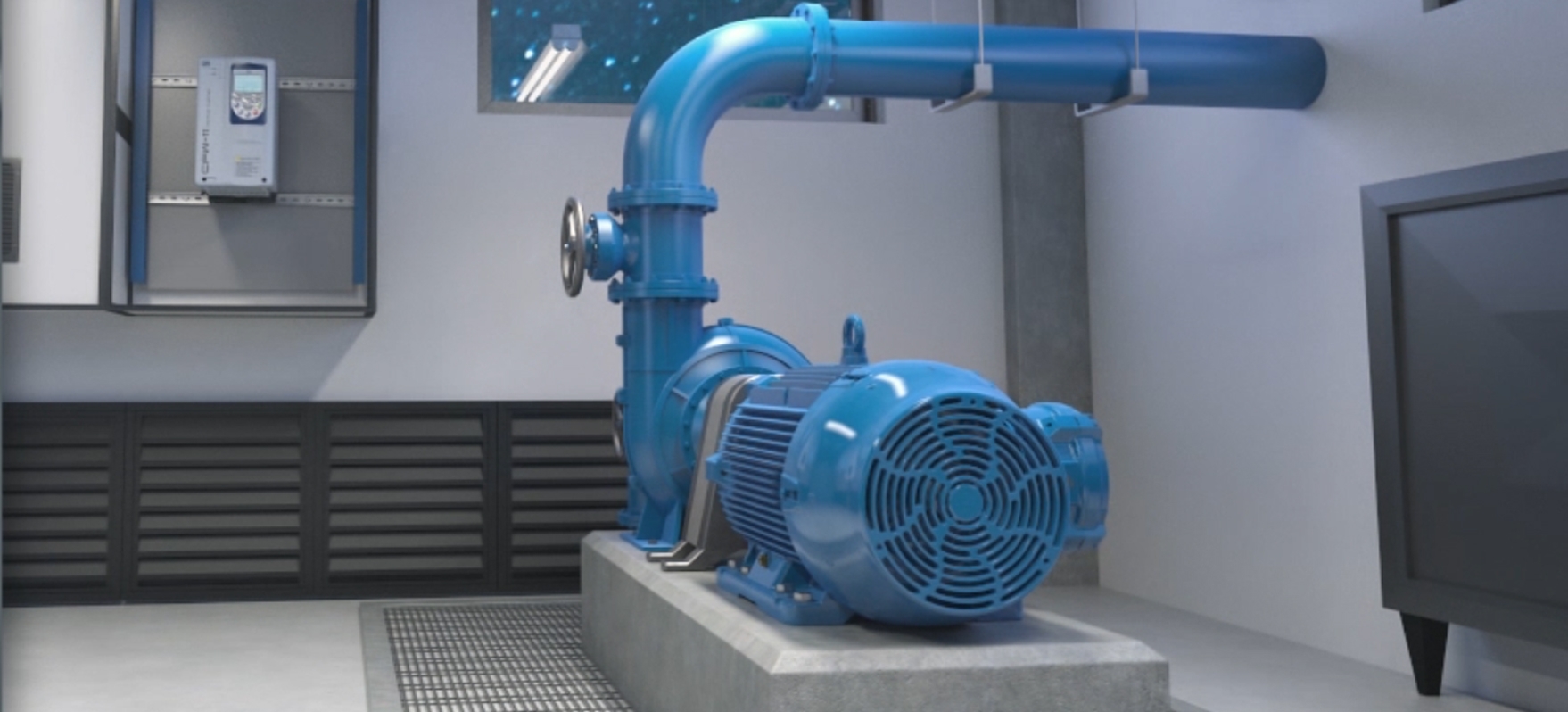
A variable frequency drive (VFD) plays a central role in automated equipment because it controls motor speed, torque response and operating precision. For OEMs, drive compatibility is not optional. It is a baseline requirement for stable and efficient automation performance.
When an induction motor is paired with a variable frequency drive, the full system must be evaluated as one operating package. Voltage stress, insulation suitability, cable length, harmonic effects and cooling performance at lower speeds all influence long-term reliability.
Control integration and machinery safety matter just as much. The motor and drive combination must align with the PLC strategy, sensor feedback, acceleration requirements and communication protocol used in the equipment. If these elements are not matched correctly, the system can experience unstable operation, excess heat, nuisance faults or reduced control accuracy.
For Canadian OEMs building equipment for long service life, proper drive and motor matching improves control, reduces mechanical stress and supports more consistent operating performance across a wider speed range.
The best motor type depends on the application, load characteristics and control requirements of the equipment. In many industrial automation applications, three-phase induction motors remain a strong choice because they deliver reliable performance, robust construction and broad compatibility with modern drive systems.
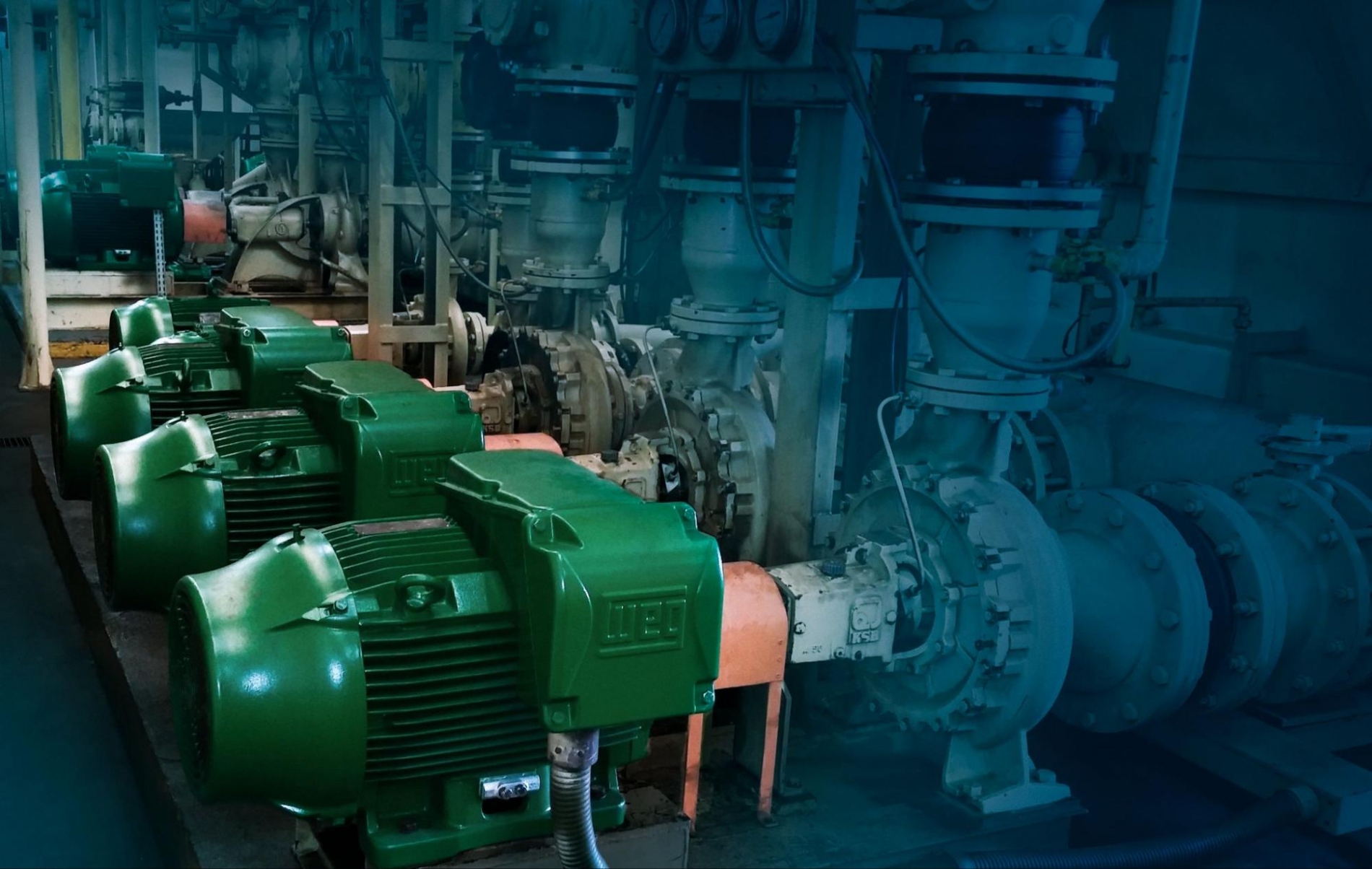
AC motors are widely used in industrial automation applications, such as conveyors, pumps, fans, compressors, mixers and packaging systems. Their suitability depends on required speed range, starting conditions, torque demand and environmental exposure. In OEM systems, standardization across equipment lines can also influence the selection process.
For applications requiring precise speed regulation and repeatable response, the motor must be reviewed in relation to the complete control architecture. That includes the drive, feedback devices and operating profile. A technically correct selection improves reliability and simplifies long-term service planning.
The goal is not to identify one motor as universally best. It is to select the right motor for the duty, control requirements and lifecycle expectations of the machine.
Efficiency levels and thermal performance are central to long-term motor reliability. Heat remains one of the most important factors affecting insulation life, bearing condition and overall motor durability in automated systems.
A motor operating beyond its thermal design limits can experience accelerated degradation, even if it appears to meet short-term output requirements. For OEMs, that creates risk across the full equipment lifecycle, especially in enclosed systems or continuous-duty applications.
Canadian buyers are also paying closer attention to energy performance and regulatory alignment. Natural Resources Canada has established energy efficiency requirements for regulated products and that increases the importance of selecting motors that comply with required performance standards. High-performance and energy-efficient solutions help reduce operating losses while supporting dependable operation.
Review should include ambient conditions, enclosure design, altitude, airflow, overload expectations and the effect of variable speed operation. These details are essential when specifying motors for automated equipment expected to perform reliably over time.
Scalability should be designed into the system from the beginning. For OEMs, industrial automation is rarely static. Equipment platforms often evolve to support higher output, added functionality or new control requirements.
Motor selection affects how easily those upgrades can be made. Standardized frame sizes, compatible drives, accessible technical data and clearly documented performance parameters make it easier to adapt equipment without major redesign. That supports faster engineering decisions and more efficient product development over time.
Modular thinking also improves serviceability. When motors and related control components are selected with future expansion in mind, replacements and upgrades become easier to manage across equipment families. This reduces downtime risk and supports stronger long-term value for both OEMs and end users.
Scalability depends on more than motor horsepower. It is also determined by how well the selected technology supports the next version of the system.
Lifecycle cost should be evaluated beyond purchase price. For OEM automation systems, the more important calculation includes energy consumption, maintenance demands, downtime risk, replacement intervals and service support over the life of the equipment.
A lower-cost motor can increase total ownership cost if it creates thermal stress, inconsistent performance or early failure in the field. By contrast, a well-specified motor can improve uptime, reduce service events and support more stable operation under real production conditions.
This is especially important in Canadian industrial environments where reliability, lead times and service continuity can influence purchasing decisions. OEMs benefit from choosing solutions backed by dependable technical support, product quality and consistent availability.
Long-term performance depends on selecting electric motors that meet the application requirement while supporting efficiency, control and durability throughout the operating lifecycle.
OEM automation performance depends on more than control logic or machine design alone. It depends on selecting electric motors, variable frequency drive solutions and technical data strategies that support reliability from the start.
When motor selection is aligned with thermal demands, load conditions, control requirements and future scalability, the result is stronger equipment performance and better lifecycle value. For Canadian OEMs, that means building automated systems with the efficiency levels, product quality and long-term dependability required in industrial markets.
Planning a new system or refining your motor selection? Connect with VJ Pamensky today to evaluate motor performance, drive compatibility, and long-term service considerations for industrial automation systems.
No single motor type that fits every industrial automation application. Selection depends on torque requirements, speed range, duty cycle, environmental conditions and control strategy. In many OEM systems, three-phase induction motors are widely used because they offer reliable performance and compatibility with variable frequency drive configurations.
Induction motors are used in OEM automation systems because they provide dependable operation, strong durability and broad suitability across industrial applications. They are often selected for equipment that requires stable output, efficient operation and long service life under demanding conditions.
A variable frequency drive (VFD) improves control by adjusting motor speed and torque to match the application requirement. In automated equipment, this supports better process control, reduced mechanical stress, improved efficiency and more stable operation across changing load conditions.
Electric motor efficiency is affected by motor design, load conditions, operating speed, thermal performance, drive pairing and installation environment. Poor matching between the motor and automation system can reduce efficiency and increase operating losses over time.
OEMs should compare lifecycle cost by evaluating more than the initial purchase price. Energy use, maintenance frequency, downtime exposure, service life, replacement planning and support availability all contribute to the real long-term cost of the motor in operation.