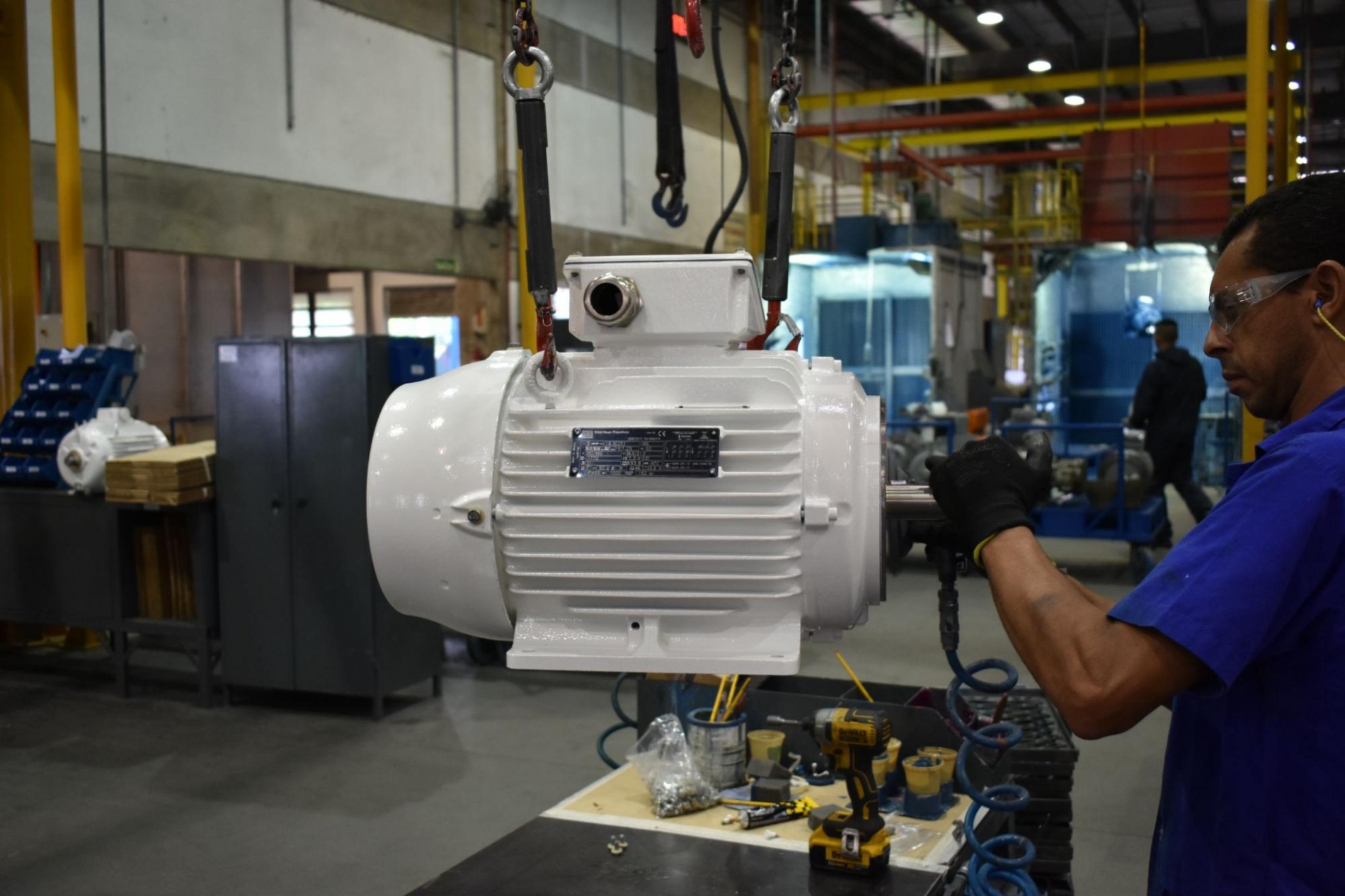
When it comes to optimizing OEM machinery, the rotor plays a critical role in overall motor performance. At VJ Pamensky (WEG Canada), understanding the engineering behind a PM motor is essential to supporting OEMs in sectors like automation, robotics and industrial manufacturing. As performance demands continue to rise, innovation must focus on reducing losses, improving torque density, and ultimately enhancing electric motor efficiency.
Laminations play a critical role in electric motor design, forming both the rotor stack and stator stack to help reduce core losses caused by eddy currents. Eddy currents waste energy and generate excess heat, which can negatively impact efficiency and accelerate component wear. High quality laminations reduce "iron losses" which helps to improve efficiency.
In addition, rotor geometry, such as the number and shape of rotor bars or magnet slots, directly influences the electromagnetic field distribution. A well-designed rotor contributes to effective torque production and efficient electromagnetic interaction while supporting stable thermal performance across varying load conditions.
For OEM applications, the decision between permanent magnet motors (PMMs) and induction motors comes down to efficiency, size and application-specific performance. PMMs offer superior efficiency, especially at partial loads, due to the absence of rotor current losses. This makes them ideal for robotics, conveyors and high-precision automated systems where energy savings and size constraints are critical.
Induction motors, on the other hand, are rugged and cost-effective. While slightly less efficient, they remain reliable choices for applications with consistent loading conditions or where simplicity and ease of maintenance are prioritized.
OEMs targeting high-efficiency systems increasingly lean toward permanent magnet designs, particularly for variable-speed and servo-based systems that demand precise control and lower total cost of ownership over time.
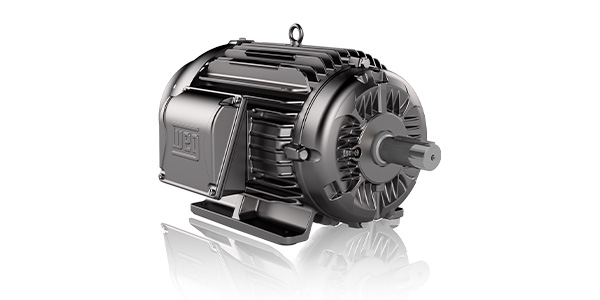
Electric motor efficiency is not just a result of design; it’s also deeply tied to material science. Advances in electrical steel, especially those with high silicon content and reduced hysteresis losses, enhance magnetic permeability while minimizing core loss.
Permanent magnet motor designs continue to advance, with WEG’s W23+ PMSyncRM motors leveraging ferrite magnet technology to achieve high efficiency and power density. By eliminating the need for rare-earth materials, these motors provide reliable performance, thermal stability, and compact designs ideal for OEM applications with space or weight limitations.
By integrating premium materials into rotor and magnet assemblies, OEMs can unlock performance gains that weren't achievable just a decade ago.
The cumulative effect of design and material enhancements can yield substantial energy savings. Upgrading to modern rotor geometries or switching to high-efficiency magnet materials reduces current draw, improves startup performance and lowers operating temperatures. These efficiencies translate into direct energy savings, a vital consideration as OEMs work toward sustainability goals and tighter efficiency regulations.
In sectors like robotics and advanced automation, every watt counts. Compact, efficient motors allow designers to reduce machine footprint, enhance mobility and extend operational uptime. Rotor and magnet advancements help meet the dual challenge of high torque in a lightweight package.
OEMs focused on robotics, packaging or precision manufacturing can benefit immensely from motors that offer both tight speed regulation and high torque density. The result is smoother operation, higher throughput and systems that meet the rigorous demands of the specific industry.
Electric motor efficiency isn't achieved by accident, it starts with the intent to design a quality product for efficiency and performance. A key component is the rotor, with the advent of PMM, and extends through every design decision. Whether it's through advanced lamination stacks, precision magnet integration or premium material selection, the innovations driving industrial motor performance are becoming increasingly vital for OEM success.
For OEMs looking to push the limits of efficiency and precision, now is the time to revisit motor design specifications and explore the energy-saving advantages of advanced rotor and magnet technology.
Contact VJ Pamensky today to learn how we support OEMs with tailored motor solutions.
Rotor geometry and lamination directly influence performance and energy losses. Optimizing these elements reduces iron losses and improves torque output, especially critical for OEM applications.
Permanent magnet motors deliver higher efficiency, particularly under variable loads. They are ideal for automation and robotics OEMs due to their compact size, energy savings and better control characteristics.
Advanced steel laminations reduce core losses, while PMM rotors , allow for smaller, more efficient motors without sacrificing power.
Yes. Improved rotor and magnet designs can significantly lower energy consumption, helping OEMs meet evolving efficiency standards and sustainability targets.
In many cases, yes. Depending on the application, OEMs can retrofit systems with modern motor designs or integrate more efficient motors into new equipment to maximize energy savings.