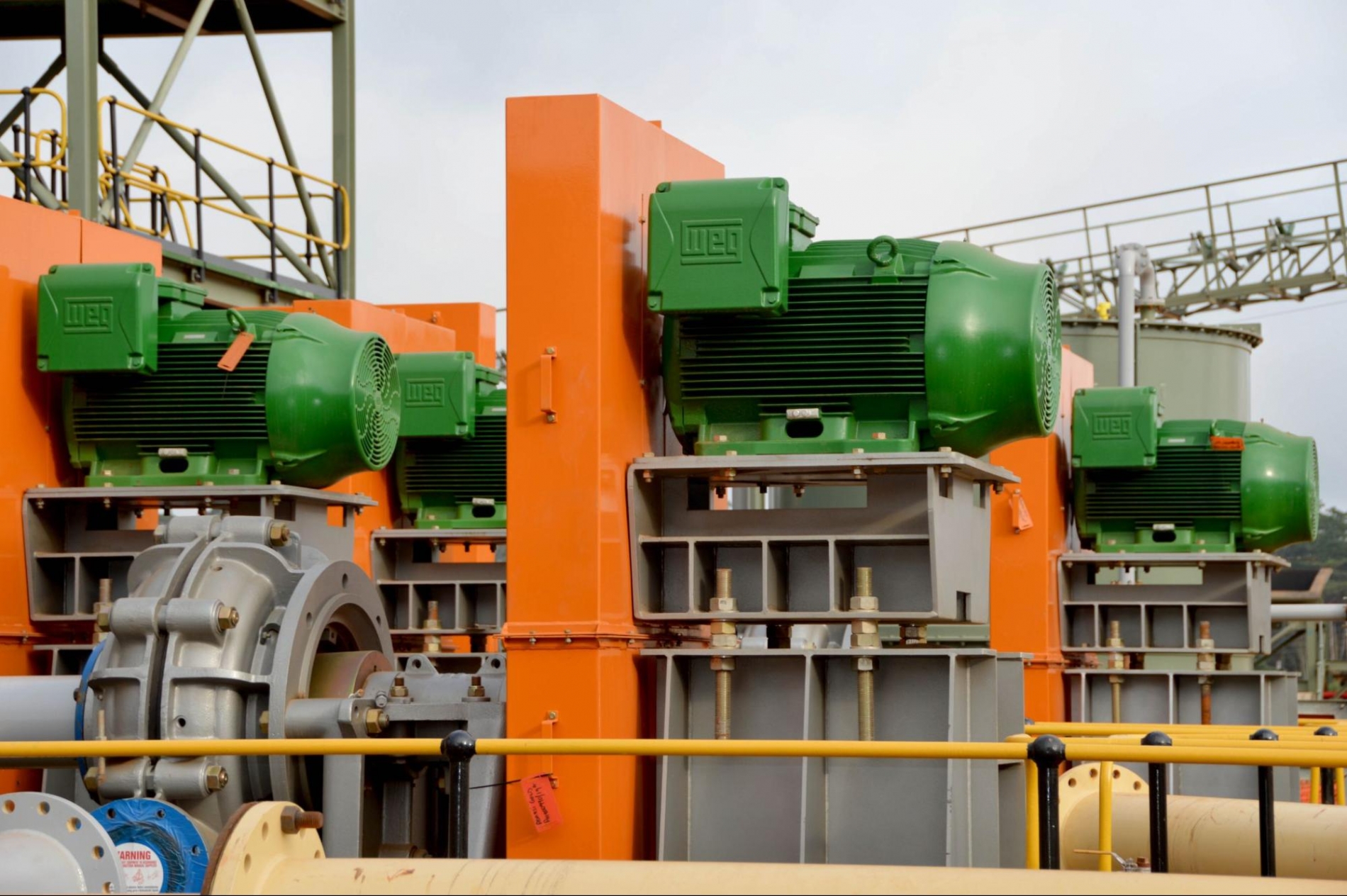
In 2026, Canada’s transition to higher -efficiency electric motors continues to gain momentum across various industries. With rising energy costs, ambitious climate goals and increased expectations for reliability, Original Equipment Manufacturers (OEMs) are re-evaluating their motor sourcing strategies. VJ Pamensky (WEG Canada), a trusted importer of high-performance Canadian electric motors and controls, is at the forefront of helping OEMs meet these evolving demands across the country.
Canada’s federal and provincial governments are increasingly tightening regulations around energy efficiency. For OEMs, aligning with NEMA Premium motors is no longer optional, it’s a competitive and regulatory necessity. To meet these higher standards, OEMs should also consider motors such as Super Premium (IE4) and Ultra Premium (IE5).
Energy costs remain a key operational concern for industrial users. High-efficiency AC motors significantly reduce power consumption, helping companies manage utility bills while achieving short-term ROI through reduced lifecycle costs.
Downtime is costly. Motors that meet strict reliability standards, especially those used in harsh industrial environments, offer reduced maintenance needs and better asset uptime, critical for OEMs serving sectors like mining, food processing and energy.
Each region has unique operating conditions. OEMs must ensure motors are efficient and built to perform in varied altitudes, cold temperatures and humidity levels.
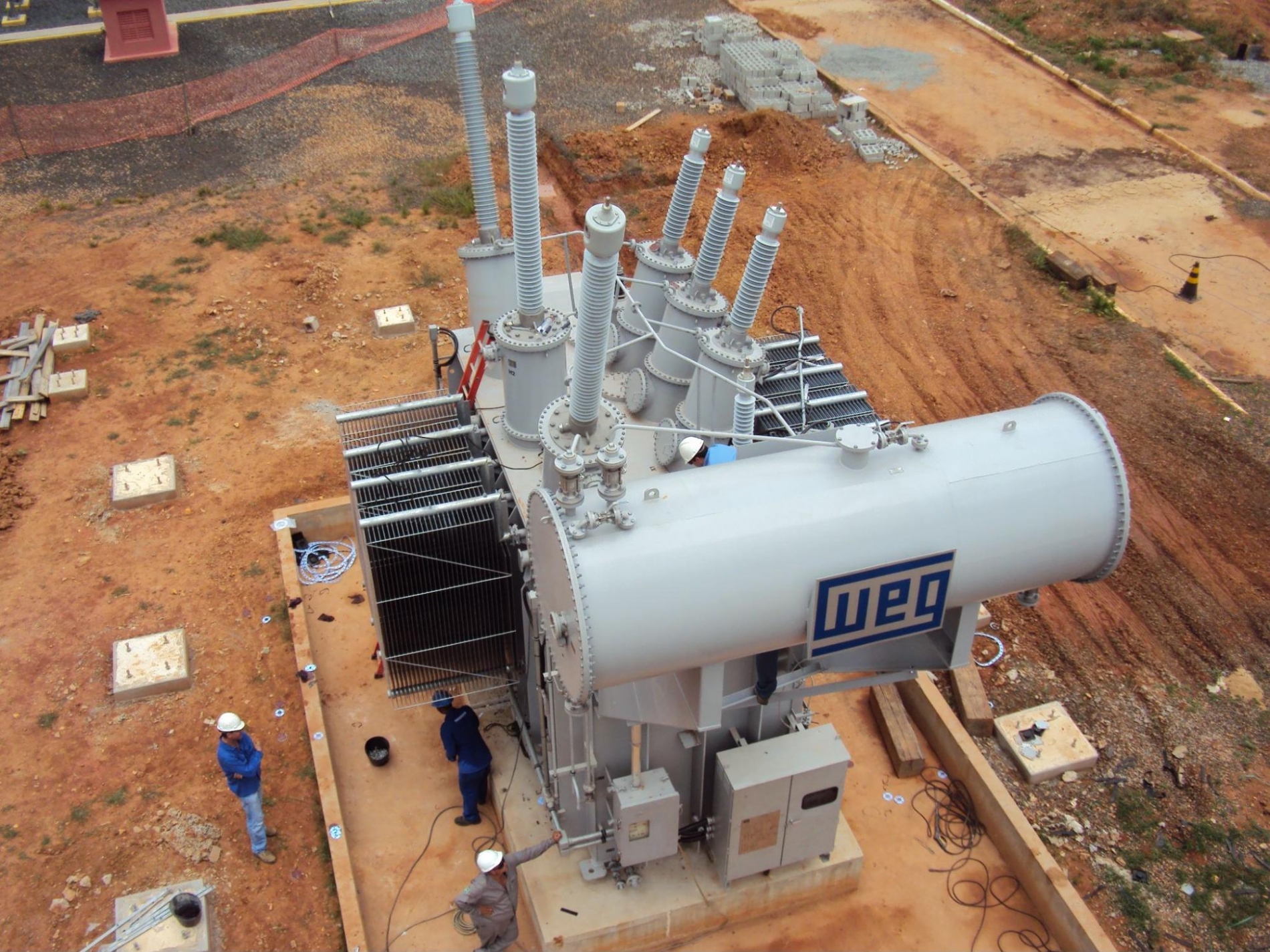
When selecting a motor for industrial or OEM applications in Canada, consider:
Investing in higher -efficiency motors delivers value beyond energy savings:
OEMs that prioritize long-term value over just initial purchase price are increasingly gaining a competitive edge.
VJ Pamensky provides tailored support across Canada to help OEMs navigate motor selection and stocking strategies:
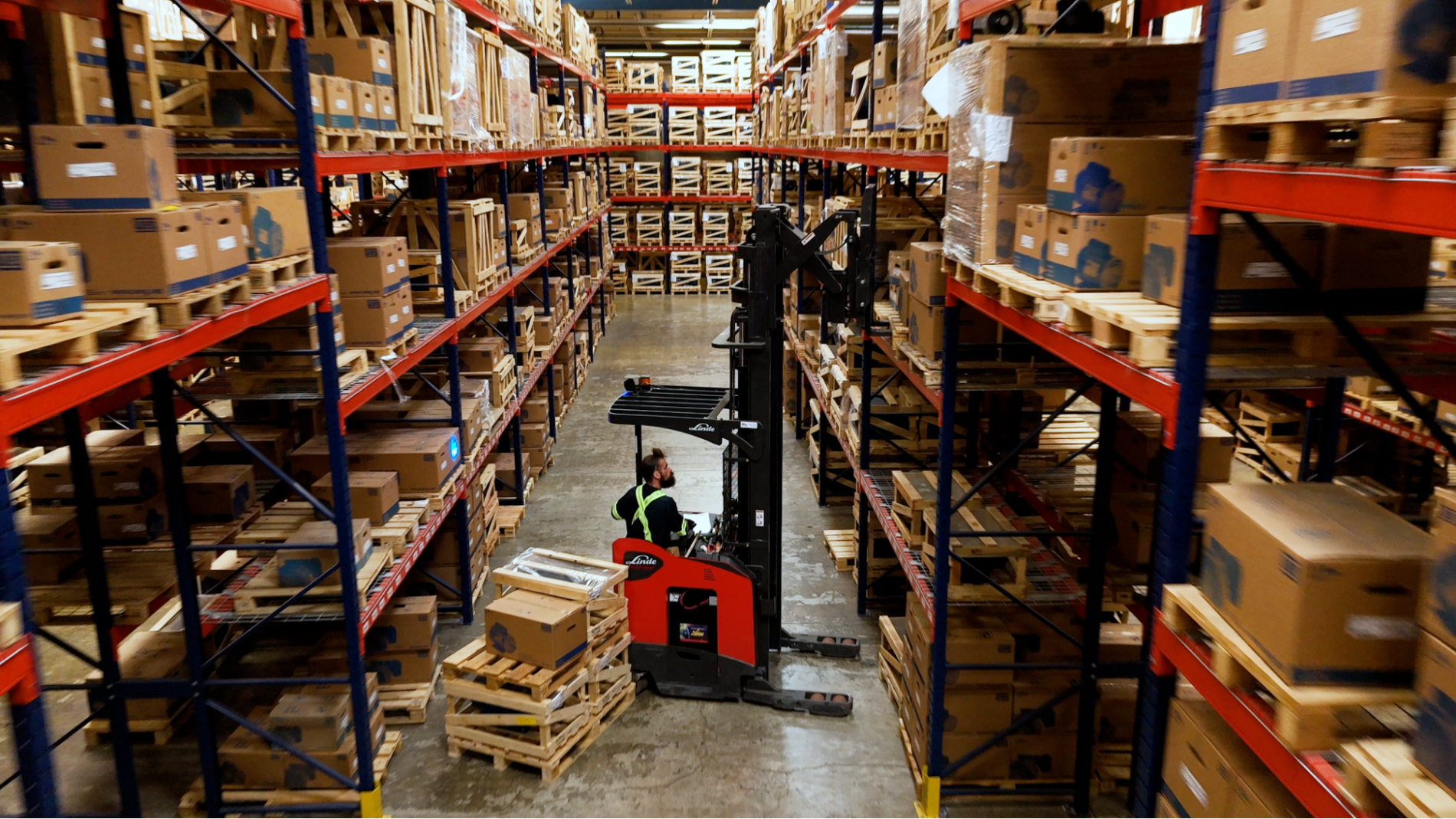
As the shift toward energy solutions for higher efficiency accelerates, OEMs must stay ahead by auditing their existing motor fleets for potential upgrades, understanding regional environmental factors such as temperature, altitude and humidity, and partnering with knowledgeable distributors like VJ Pamensky. These steps ensure the right motor technologies are selected for long-term performance, while also securing consistent product availability and expert application guidance.
Contact VJ Pamensky today for expert support tailored to your application needs.
Cold climates can affect motor startup and insulation. Motors with low-temperature-tested components are essential for reliable performance in Canadian winters.
In addition to efficiency, OEMs should evaluate enclosure types, altitude requirements, torque needs and application-specific certifications (e.g., explosion-proof ratings) to ensure optimal long-term performance.
Yes. VJ Pamensky provides expert model comparison services, helping OEMs select the right motor by evaluating performance specs, compatibility and regulatory requirements.
VJ Pamensky offers technical training and support to OEMs across Canada. Whether you're upgrading equipment or training your team, our team can assist with proper installation, operation and optimization.