Two motor repair invoices can look identical. Same horsepower, same turnaround time, same line item marked "rewind complete". Yet, one motor runs another decade without incident, and the other fails within months, taking a production line down with it. For engineers responsible for signing off on repaired equipment, the paperwork alone will not tell you which outcome you are getting.
This distinction matters most in the moments before you commit a motor back into service. You are not deciding whether to pursue an AC motor repair or a replacement. That decision is already made. You are deciding whether to trust the work in front of you. This guide walks through the specific quality markers, testing protocols and red flags that separate a repair engineered to last from one that merely looks finished, so you can evaluate a completed job with the same rigour you would apply to a new specification.
A completed repair tag tells you almost nothing about the process behind it. Two shops can perform a "rewind," bill the same hours and hand back an electric motor that spins freely on the test bench, while one followed a documented, standards-based process and the other cut corners invisible to a visual inspection.
The difference lives in what happened during disassembly, burnout and reassembly, not in what the motor looks like afterward. A stator core that was overheated during winding removal will not show visible damage, but its laminations may be compromised. A damaged core will not only have higher losses, but if the damage is localized it may lead to hot spots in the stator core, resulting in a potentially shortened life expectancy.
This is why engineers cannot evaluate motor repair quality by outcome alone at handoff. The motor that runs on day one and the motor that fails at month four can leave the shop looking the same.
A quality motor repair verifies the stator core is sound both before winding removal and after the burnout process, not just once and not as an afterthought. This test detects inter-lamination faults created by an uncontrolled burnout, which increase eddy-current losses and generate localized heat.
Under ANSI/EASA AR100 acceptance criteria, a passing core should show uniform temperature distribution across the stator surface, with a temperature differential no greater than 10°C and a post-burnout core loss value no more than 120 percent of the original baseline reading. If a shop cannot produce before-and-after core loss numbers, they likely never ran the test. That gap alone should stop you from trusting the motor back into service.
Rewinding a motor is not a generic exercise. It requires matching the original wire gauge, turn count and winding pattern precisely or making a documented, engineered change for a specific reason. A shop that substitutes a "close enough" wire gauge or approximates turn counts from memory is gambling with your motor's torque curve, current draw and thermal performance.
Ask for the winding data sheet used on your motor. A shop with a real quality process records this information as a matter of course, because it needs the record for the next motor repair as much as you need it for peace of mind now.
A quality shop rebalances the rotor to a recognized standard, typically referencing ISO 21940 balance quality grades, which set permissible residual unbalance based on rotor mass and service speed.
Skipping this step does not always announce itself immediately. A rotor that is out of tolerance by a small margin may run smoothly for weeks before vibration-driven bearing wear becomes measurable, by which point you are diagnosing a symptom, not the cause.
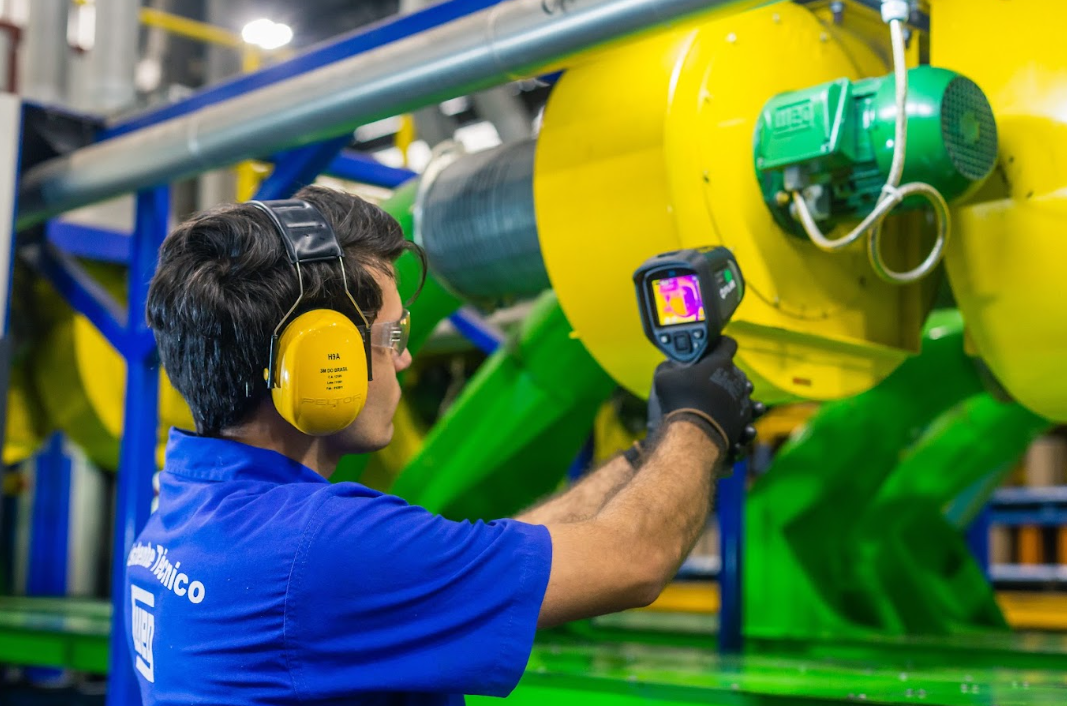
Several shortcuts are common enough that engineers should treat them as immediate warning signs, whether observed directly or inferred from missing documentation.
None of these shortcuts prevent a motor from spinning on delivery. That is precisely why they are dangerous. The repair passes the only test most facilities are equipped to run, which is "does it turn on."
A fast turnaround and a low price are not quality indicators. They are throughput indicators. Neither tells you whether the shop ran a core loss test, matched the winding specification or balanced the rotor to a recognized grade. When two quotes differ significantly, the gap is often the cost of the testing steps one shop is running and the other is not.
Certifications matter for the same reason: they signal that a shop's process is subject to external accountability, not just internal habit. A shop's own assurance that "we always do it right" is not verifiable. A documented core loss reading, a recorded winding data sheet and a balance certificate with a stated grade are. When you evaluate a completed electric motor repair, ask for the data, not the assurance.
A rushed rewind rarely fails on the test bench. It fails in service, weeks or months later, in ways that are easy to misattribute to something else entirely.
Premature bearing failure is one of the most common outcomes, often traced back to an unverified balance grade or a bearing fitted outside tolerance. Efficiency loss is another. A stator core damaged during an uncontrolled burnout draws more current for the same output, quietly inflating your energy costs long after the invoice is paid. Vibration and heat are the clearest late-stage signals: a motor running hotter than its baseline or showing a vibration signature it did not have before the motor repair, is very often telling you the rewind cut a corner somewhere upstream.
Industry testing backs up how wide the gap can be between careful and careless work. EASA tested rewound motors under controlled, best-practice procedures and found efficiency held within a range of -0.1 to +0.2 percent, in some cases improving slightly. Motors rewound without those controls lost between 0.3 and 1.0 percent efficiency. That spread is the practical difference between a motor repair you can trust and one you cannot, expressed in a number your energy bill will eventually confirm.

The right questions before the work begins are far cheaper than the right questions after a failure. Before committing to a motor repair shop, ask directly:
A shop with a genuine quality process will answer these without hesitation, because the answers are already part of how they work. A shop that cannot answer the questions or that treats them as an inconvenience is telling you something important about what your motor will come back looking like, even if it seems fine on the day you pick it up.
A motor that spins on the test bench has passed the easiest test it will ever face. The motor repairs that hold up in service are the ones backed by documented core loss testing, precise winding data and rotor balancing to a stated grade, not the ones that simply arrived back on time. As an engineer, your leverage is in the questions you ask before the motor goes back into service, not the diagnosis you run after it fails.
If your team is evaluating motor specifications, motor repair standards or reliable OEM-grade solutions for Canadian industrial applications, contact Pamensky (WEG Canada) today to discuss what your equipment actually needs.
Ask for documented core loss test results from before and after the burnout process, a winding data sheet confirming wire gauge and turn count and a balance certificate stating the grade achieved. If a shop cannot produce these records, the repair was not verified to a recognized standard, regardless of how the motor performs on delivery.
Core loss testing measures magnetic losses in the stator core to confirm the laminations were not damaged during winding removal. Under ANSI/EASA AR100 guidance, a passing result shows a temperature differential of 10°C or less across the stator and a post-burnout loss value no greater than 120 percent of the pre-repair baseline.
Only if the rewind was not performed under controlled conditions. Industry testing by EASA and the Association of Electrical and Mechanical Trades found controlled rewinds held efficiency within -0.1 to +0.2 percent, while uncontrolled rewinds lost 0.3 to 1.0 percent. A properly executed motor repair should not meaningfully change your motor's efficiency.
Bearings fitted outside manufacturer tolerance create a slow-developing failure mode that will not appear during test-bench checks. Ask the repair shop to confirm bearing tolerances were verified against OEM specification at reassembly and request that confirmation in writing.
Rewinding is one of the most common causes of lost rotor balance, introduced through tolerance shifts when refitting the rotor to the shaft. An improperly balanced rotor can run without obvious issue for weeks before vibration-driven wear becomes measurable, by which point bearings or shaft seals may already be compromised.
Not necessarily on its own, but a significant gap between motor repair quotes is often the cost of testing steps that one shop is running and another is skipping. Price and speed are not quality indicators; documented test data is.
Yes. A rushed rewind typically passes a basic bench test. It fails later, in service, through premature bearing wear, efficiency loss or vibration and heat that develop over weeks or months. Documentation is how you verify quality before that failure window, not after it.
VJ Pamensky works with OEMs and industrial manufacturers across Canada to specify motor solutions built to documented performance standards from the outset, reducing the guesswork engineers face when evaluating repair versus replacement decisions down the line.