Overheating in industrial electric motors is rarely an isolated issue. In most applications, elevated operating temperature is a sign that electrical conditions, mechanical loading, environmental exposure or system configuration are placing the motor under stress. For engineers, the real issue is not only that temperature rises, but why the thermal condition develops in the first place.
Electric motors are a core component in industrial automation systems, and overheating often indicates a mismatch between motor selection, application requirements, and system conditions.
This distinction matters. Electric motors are designed to operate within defined thermal limits based on the system electrical supply, insulation class, enclosure type, duty cycle, ambient conditions and load profile. When those conditions shift beyond the design parameters, heat becomes the visible symptom of a deeper system problem that can affect reliability, efficiency and service life.
In Canadian industrial environments, that evaluation often requires close attention to site conditions, operating demands and compliance expectations, which makes correct motor selection, application review and thermal management a critical part of industrial automation performance across the country.
Motor overheating should be treated as a system-level issue. In many cases, the motor is reacting to abnormal voltage conditions, excessive mechanical demand, poor airflow, unsuitable control settings or application mismatch rather than failing independently.
That is why temperature rise must be evaluated in context. A motor may be correctly manufactured and still operate above acceptable thermal limits if the driven load is unstable, the supply quality is poor or the enclosure is not appropriate for the environment. A thermal overload condition is the outcome and the cause is typically systemic.
For engineers, this means troubleshooting must go beyond just the motor. Nameplate values, real operating current, start frequency, load inertia, ambient conditions, ventilation path and drive configuration all need to be reviewed together. Without that broader assessment, corrective action may address the issue while leaving the root cause unchanged.
Electrical issues are one of the most common causes of overheating in industrial electric motor applications. Voltage imbalance, overcurrent, phase loss, harmonics and insulation stress can all increase winding temperature and reduce motor reliability.
Three-phase induction motors depend on balanced phase voltage to produce stable magnetic fields and predictable torque. When one phase deviates from the average, current imbalance follows. It creates additional heating in the stator windings and accelerates insulation deterioration.
In industrial facilities, voltage imbalance can originate from uneven single-phase loading, poor distribution conditions, loose connections, transformer issues or upstream supply variation. If the imbalance persists, the motor may continue operating while accumulating thermal damage over time.
A 1% voltage unbalance often causes roughly 6–10% current unbalance. This results from negative-sequence voltages or currents that create opposing flux in the motor. For example, a 3% voltage unbalance can cause an ~18% increase in the winding temperature rise.
Overcurrent conditions usually indicate that the motor is being asked to produce more torque than its operating point allows. This may be caused by process overload, locked rotor conditions, mechanical binding, poor acceleration settings or improper sizing. Higher current means heat rises quickly and winding failure.
Phase loss is more severe. A motor that loses one phase will draw excessive current on the remaining phases, causing rapid temperature escalation. Depending on load conditions, the result may be immediate failure or progressive winding damage that severely shortens the life.
Power quality has a direct effect on motor temperature. NRCan advises industrial operators to check supply systems for issues such as harmonics, current leaks and incorrect voltages because they reduce motor reliability and efficiency. In practical terms, harmonic distortion introduces additional losses in the motor, particularly in windings and magnetic components, which contributes to excess heat.
Insulation stress is also a major concern, especially where long cable runs, reflected wave effects or poor drive matching are present. Repeated voltage stress can weaken insulation systems and create thermal vulnerability that may not be obvious during routine operation until overheating becomes a recurring issue.
Mechanical and application-related conditions often raise motor temperature by forcing the motor to work outside its intended operating envelope. Overloading, misalignment, bearing friction, frequent starts and stops and improper sizing for the duty cycle are among the most common contributors.
This is where thermal analysis connects directly to application engineering. A motor can meet catalog specifications and still overheat if the actual operating profile differs from the design assumptions used during selection.
When an industrial electric motor is consistently overloaded beyond its rated capacity, winding temperature increases and thermal margin decreases. Short-term overloads may be manageable within service factor limits, but continuous overload beyond the service factor is a different condition altogether. It pushes the motor toward accelerated insulation aging and reduced bearing life.
Improper sizing can create similar results. An undersized motor may run near or above full load for extended periods, while a motor selected without proper consideration of starting torque, inertia or duty cycle may experience repeated thermal stress even if average load appears acceptable.
Mechanical losses also become heat. If shafts are misaligned, couplings are stressed or driven equipment introduces excess radial or axial load, the motor must overcome added resistance. The result is higher current draw and additional temperature rise.
Bearing friction compounds the problem. Lubrication breakdown, contamination, wear or incorrect installation can all increase friction within the bearing assembly. That heat does not remain isolated to the bearing housing. It influences the full thermal condition of the motor and can distort the interpretation of winding temperature trends if not identified early.
Repeated starting is thermally demanding. Start-up current is substantially higher than running current and each acceleration event adds heat to the motor. In applications with frequent starts and stops, plug braking, reversing cycles or fluctuating load demand, that thermal accumulation can become significant.
Duty cycle mismatch is often overlooked for this reason. A motor designed for one operating pattern may not be suitable for another. If the application requires repeated acceleration, intermittent overload or variable torque operation, the selection must reflect that reality rather than nominal steady-state conditions.
Environmental conditions directly affect how effectively electric motors dissipate heat. Ambient temperature, contamination, blocked airflow, enclosure limitations and inadequate ventilation can all reduce cooling performance and push the motor beyond acceptable thermal limits.
This matters in Canada because operating environments vary widely across facilities and regions. Dust, moisture, seasonal temperature swings, washdown requirements and confined installation areas all affect motor cooling behaviour and must be accounted for during specification and maintenance planning.
Every motor is rated against a defined ambient condition. When surrounding temperatures exceed that baseline, the motor has less capacity to transfer internal heat to the environment. Even if load remains constant, winding and bearing temperatures can rise beyond expected levels.
Altitude and ambient temperature are key motor selection factors because reduced cooling performance directly affects allowable operating margins. Reduced cooling performance changes the allowable operating margin. If derating is not considered, thermal issues become far more likely.
Airflow is only effective if cooling surfaces remain clean and clear and the enclosure suits the environment. Dust accumulation, fibre buildup, oily residue and debris can restrict fan action, coat cooling fins and trap heat inside the frame.
Enclosure type also matters. A motor installed in a contaminated or moisture-prone environment without the right protection may experience both reduced cooling and faster component degradation. Even with a TEFC configuration, poor installation spacing or blocked ventilation paths can limit heat dissipation and create sustained high operating temperature.
A variable frequency drive (VFD) can improve control, efficiency and process performance, but it can also influence motor temperature if the drive, motor and application are not properly matched. Control settings, switching behaviour, cable length, load characteristics and low-speed operation all affect thermal performance.
This is especially relevant in industrial automation environments where drives are central to process control. A variable frequency drive is not inherently the cause of overheating, but it changes the operating conditions that engineers must evaluate.
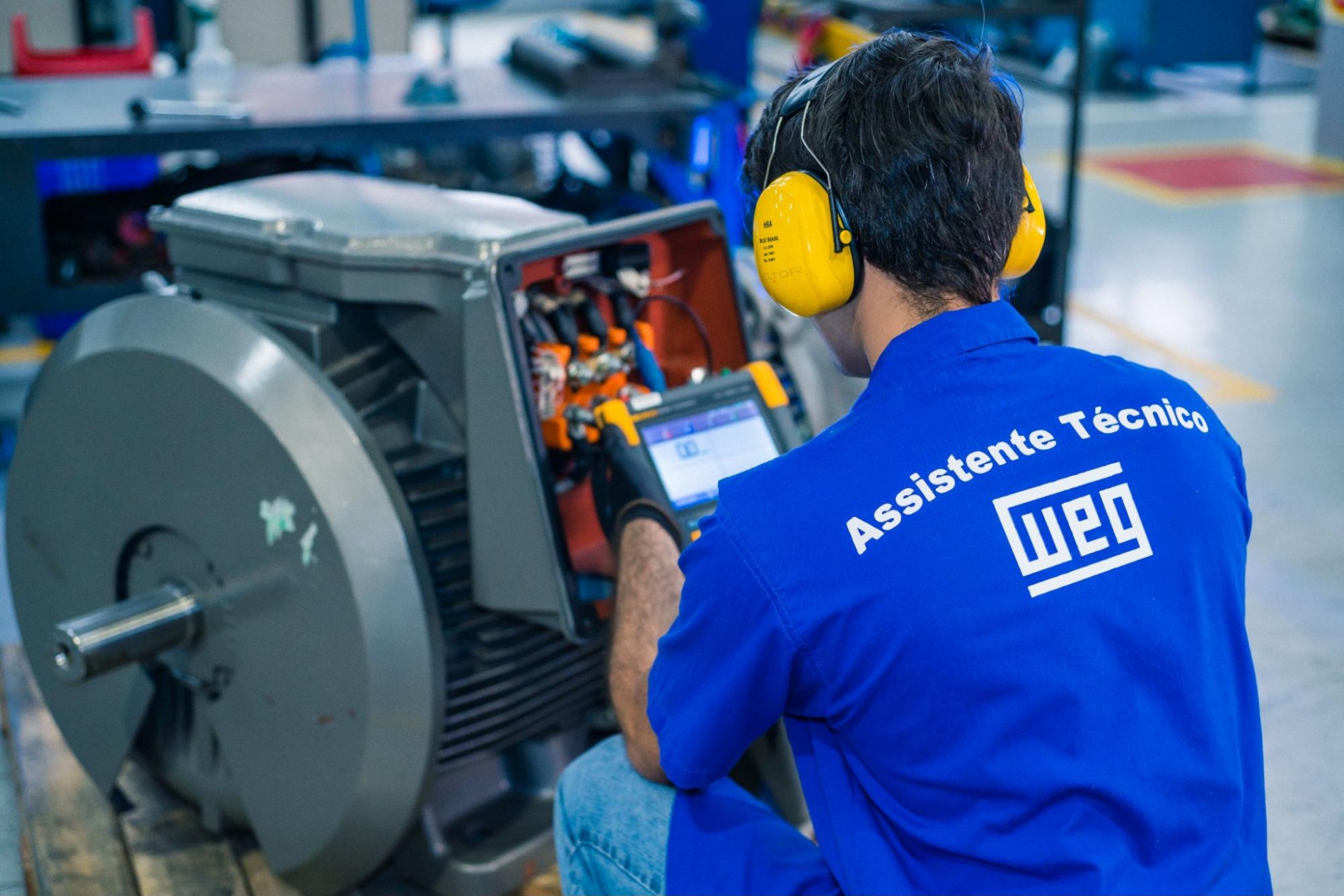
Many motors rely on shaft-mounted fans for cooling. When a drive runs the motor at low speed for extended periods, airflow decreases while the motor may still be required to produce meaningful torque. That combination can lead to overheating if the thermal design does not suit the operating profile.
This issue is common in constant torque applications, high-inertia systems or processes that remain below base speed for long intervals. In those cases, independent cooling, motor derating or a different motor-drive combination may be required.
Drive systems can introduce additional electrical stress if harmonic conditions, cable length or parameter configuration are not properly addressed. Electrical harmonics, cable length, motor insulation stress, and incorrect parameter settings are all known risk factors that can increase motor temperature in real applications.Those are all directly linked to motor temperature in real applications.
Improper carrier frequency, poor acceleration and deceleration setup, unstable control tuning or unaddressed reflected wave effects can all contribute to higher losses and insulation stress. If overheating appears after a drive installation or retrofit, the investigation should include the complete drive system rather than focusing only on the motor itself.
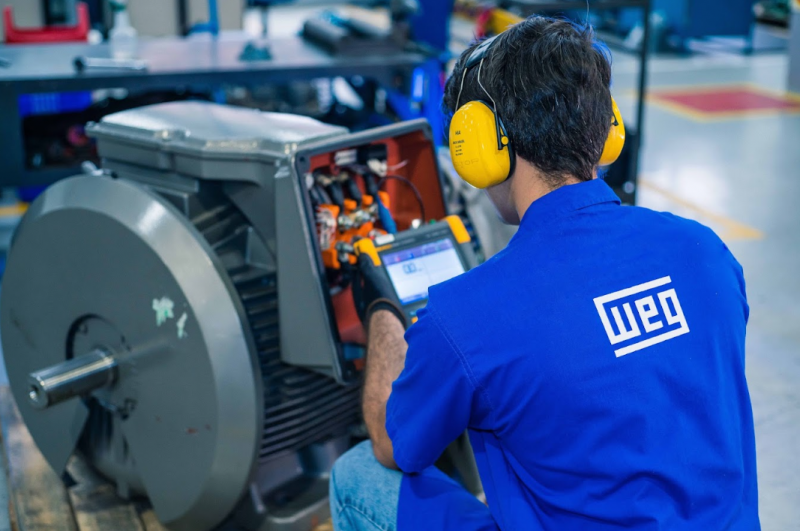
When an electric motor shows signs of overheating, engineers should evaluate the motor, the driven load, the electrical supply and the operating environment as one system. A structured review helps identify whether the temperature rise is caused by application mismatch, supply quality, cooling limitations or mechanical stress.
A strong assessment should include the following:
Nameplate data
Load requirements
Electrical conditions
Environmental conditions
Mechanical and maintenance history
Thermal performance trends
Trend analysis is particularly valuable. A single hot-running event may point to an acute fault, but recurring thermal drift usually indicates a deeper system issue. Reviewing temperature alongside load, current and maintenance data provides a much clearer picture of long-term motor health.

Motor overheating is not just a temperature issue. It is a reliability issue, an efficiency issue and, in many industrial settings, a planning issue. When thermal stress goes unresolved, the result can include insulation breakdown, shorter bearing life, unexpected downtime and weaker overall system performance.
For engineers, the most effective response is a system-based evaluation. Electrical conditions, application demands, enclosure selection, ventilation, drive settings and maintenance history all influence how electric motors perform under real operating conditions. Identifying the true source of thermal stress leads to better motor selection, better control and more dependable industrial automation outcomes.
Reviewing a motor overheating issue or evaluating system performance? Contact VJ Pamensky today to assess electrical conditions, application demands, and motor-drive compatibility for more reliable industrial automation performance.
Industrial electric motors can overheat without obvious overload when voltage imbalance, harmonics, blocked airflow, high ambient temperature, bearing friction or improper drive settings are present. In these cases, the motor is reacting to system stress rather than excess torque demand alone.
A variable frequency drive can contribute to higher motor temperature if the system is not properly configured. Low-speed operation can reduce fan cooling, while poor parameter settings, long cable runs and electrical harmonics can increase thermal stress.
Phase voltage unbalance should be kept below 1% for proper motor operation. Above that level, current imbalance and temperature rise can increase quickly.
The first review should include nameplate data, actual load, operating current, voltage balance, ambient conditions, airflow, bearing condition and recent changes to the control system. Looking at those factors together usually identifies whether the issue is electrical, mechanical or environmental.
Yes. Enclosure type affects how a motor handles contamination, moisture and heat dissipation. If the enclosure does not match the operating environment, cooling performance and long-term reliability can suffer.