Distributors and resellers in Canada are gearing up for 2026, facing tighter margins and increasingly competitive markets. To stay ahead, strategic inventory decisions are key, especially when stocking electric motors. For those working with VJ Pamensky (WEG Canada), success lies in selecting the right product mix, aligning stock with customer demand and optimizing long-term value through smarter product pairings and data-driven decision tools.
The foundation of a profitable inventory begins with understanding the key category differences in electric motors:
Stocking each category in proportion to the demands of your region and customer base helps balance fast-moving SKUs with higher-margin specialized units.
We offer a detailed breakdown of electric motor types across industrial sectors, enabling resellers to tailor stock strategies to specific customer profiles. For instance, food and beverage clients often require washdown-duty motors, while energy sector customers may prioritize hazardous-location models.
Many customers default to the lowest upfront price, but that’s an opportunity to educate and upsell. Stock motors that offer:
These metrics help justify slightly higher price points by offering total cost of ownership (TCO) advantages. Through direct consultation, VJ Pamensky sales representatives support customers in evaluating ROI and projected energy savings based on their specific operating conditions.
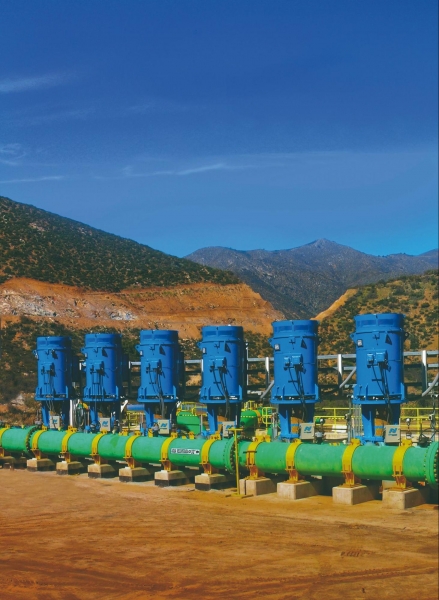
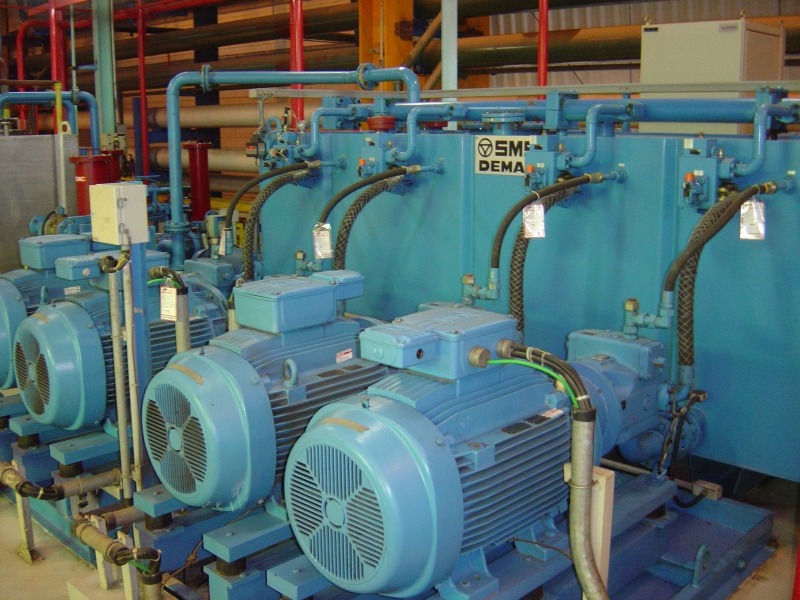
Small-frame motors (typically ?100HP) dominate repair-shop demand, especially in urban centres like Toronto and Montreal where facility footprint is tight. On the other hand, large-frame motors are vital for sectors such as mining and municipal infrastructure. Keep a mix that supports both markets:
A smart stocking strategy blends high-velocity units with high-margin specialties.
Pairing electric motors with variable frequency drives enhances system energy efficiency and process control, both critical selling points. For distributors, bundling motors and VFDs:
Speed matters, especially in B2B sales. Distributors can shorten decision cycles by integrating digital resources like:
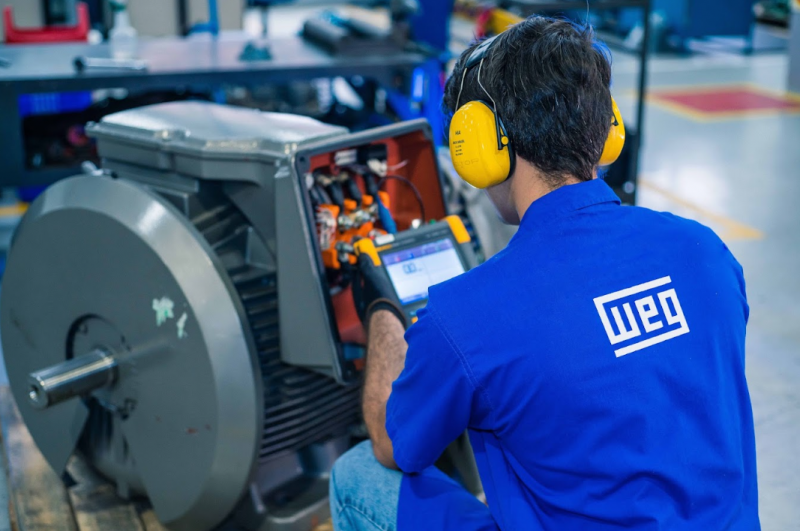
Distributors and customers can also get offline support from our team for motor configurations. We provide spec sheets and selection guides to help verify specifications and plan customized builds.
Contact VJ Pamensky today to explore our full range of electric motors and request tailored stocking advice.
Motors with high energy efficiency and low maintenance, such as premium-efficiency or severe-duty models, tend to offer higher margins due to their long-term ROI and upsell potential.
Large-frame motors are ideal for industrial projects in sectors like mining or infrastructure. Small-frame motors suit repair shops and urban businesses with space constraints.
VFDs enhance system efficiency and control, enabling you to offer complete solutions. This boosts average order value and improves customer satisfaction.
Yes. Although WEG tools are external, they help customers select the right motor faster. This shortens sales cycles and improves decision confidence.
Monitor local customer trends. Stock fast-moving SKUs for repair shops and list specialty motors online with short lead times to cover broader demand.