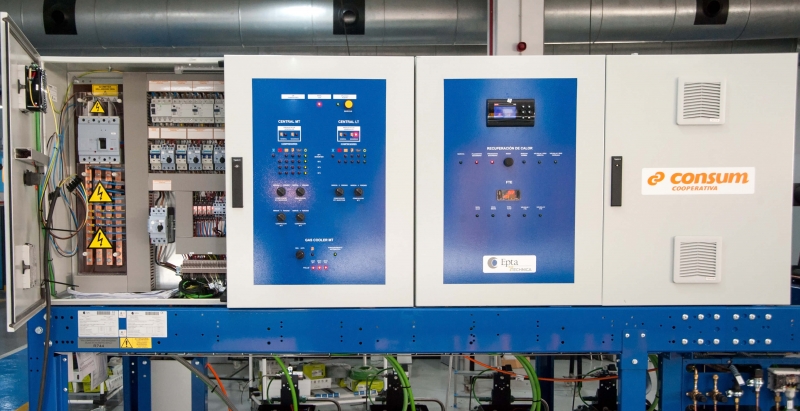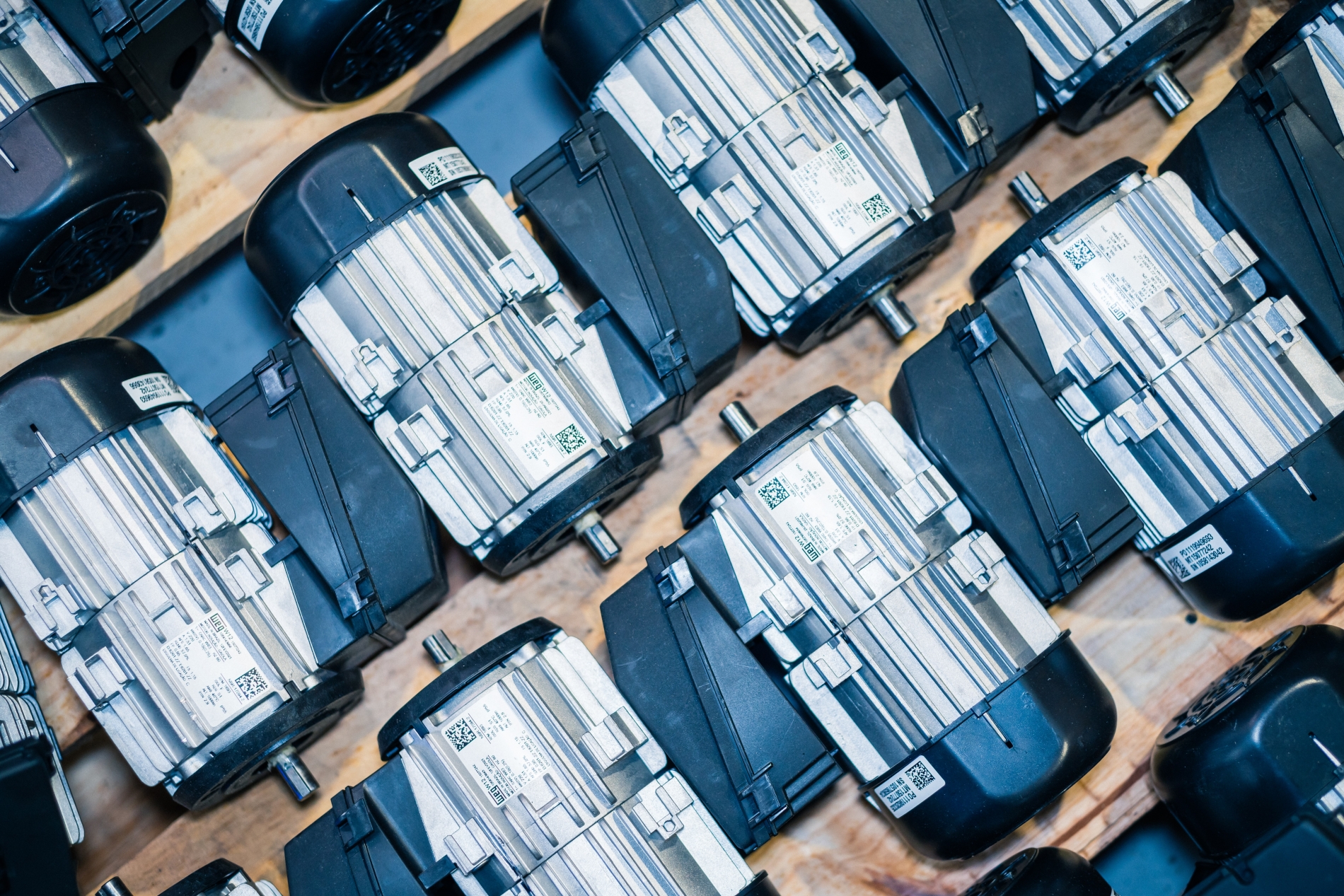
Original equipment manufacturers (OEMs) operating in industrial automation, mining or manufacturing sectors know that system reliability depends on motor longevity. VJ Pamensky (WEG Canada) understands that striking the right balance between performance and protection can significantly reduce failure rates, increase uptime and optimize long-term operational efficiency for electric motors.
Electric motors are robust by design, but they are not immune to the harsh realities of industrial environments. Common culprits behind early motor failures include:
OEMs can address these challenges at the design stage by integrating protection strategies tailored to application-specific demands.
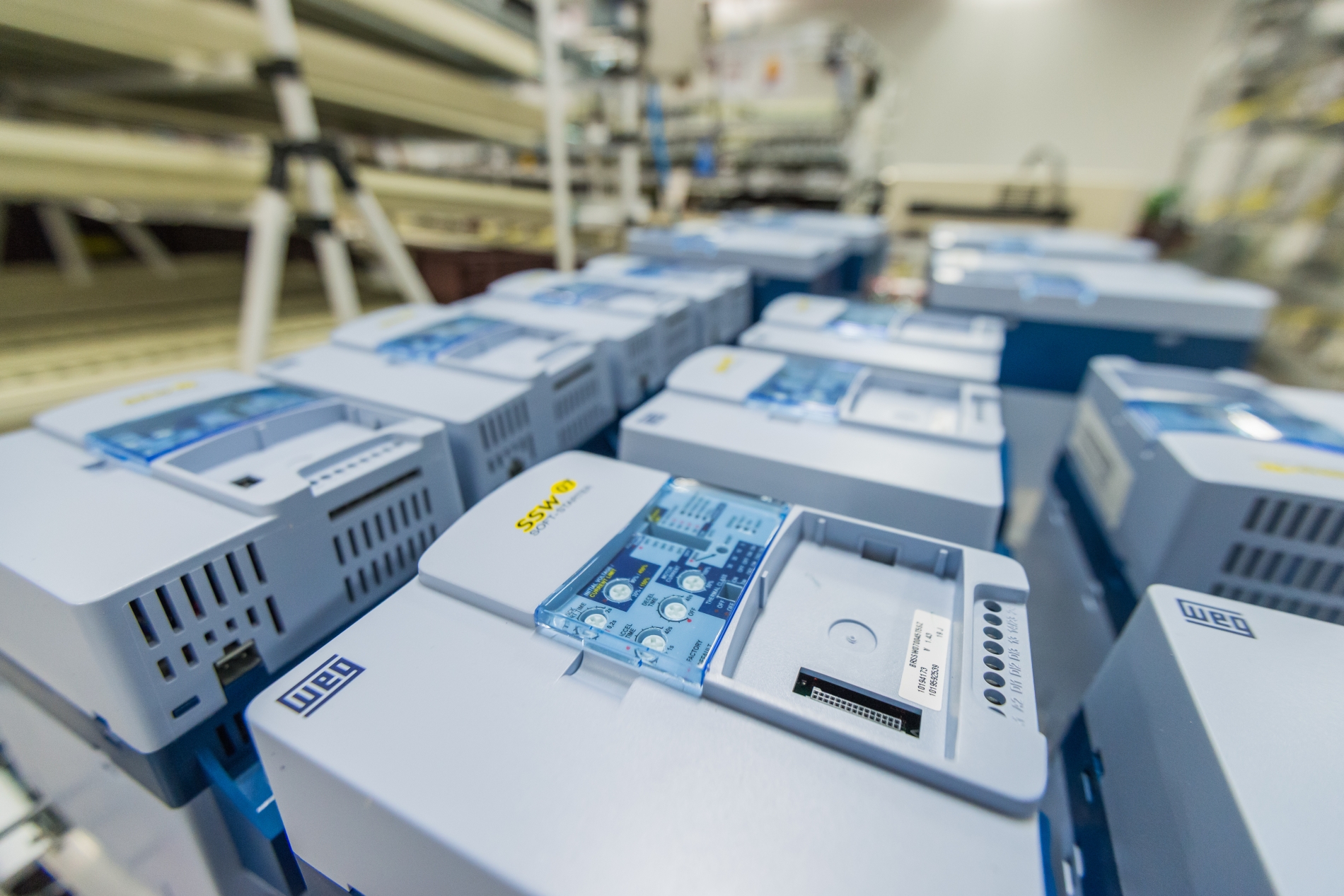
One of the most overlooked aspects of electric motor health is how start-up behaviour affects wear and tear. Direct-on-line (DOL) starting methods deliver full voltage instantly, which can cause high inrush currents and mechanical shocks.
By integrating soft starters, OEMs can:
Soft starters are especially valuable in any application where load inertia is significant, such as conveyor systems, fans and compressors.
Choosing the right protective devices can mean the difference between uninterrupted operation and costly downtime. Some key components include:
When integrated properly, these devices create a layered defense against operational threats, allowing OEMs to protect motors without sacrificing performance.
Motors operating in harsh conditions, like food & beverage plants or mining sites, face environmental stresses that accelerate wear:
Designing with protection in mind, such as using TEFC (Totally Enclosed Fan Cooled) motors or incorporating vibration-damping mounts, helps mitigate these external risks.
Reactive repairs are expensive. Preventive maintenance strategies are key for OEMs aiming to deliver long-term value:
These steps allow end-users to maintain optimal performance while avoiding surprise failures, an added value OEMs can promote to differentiate their systems.
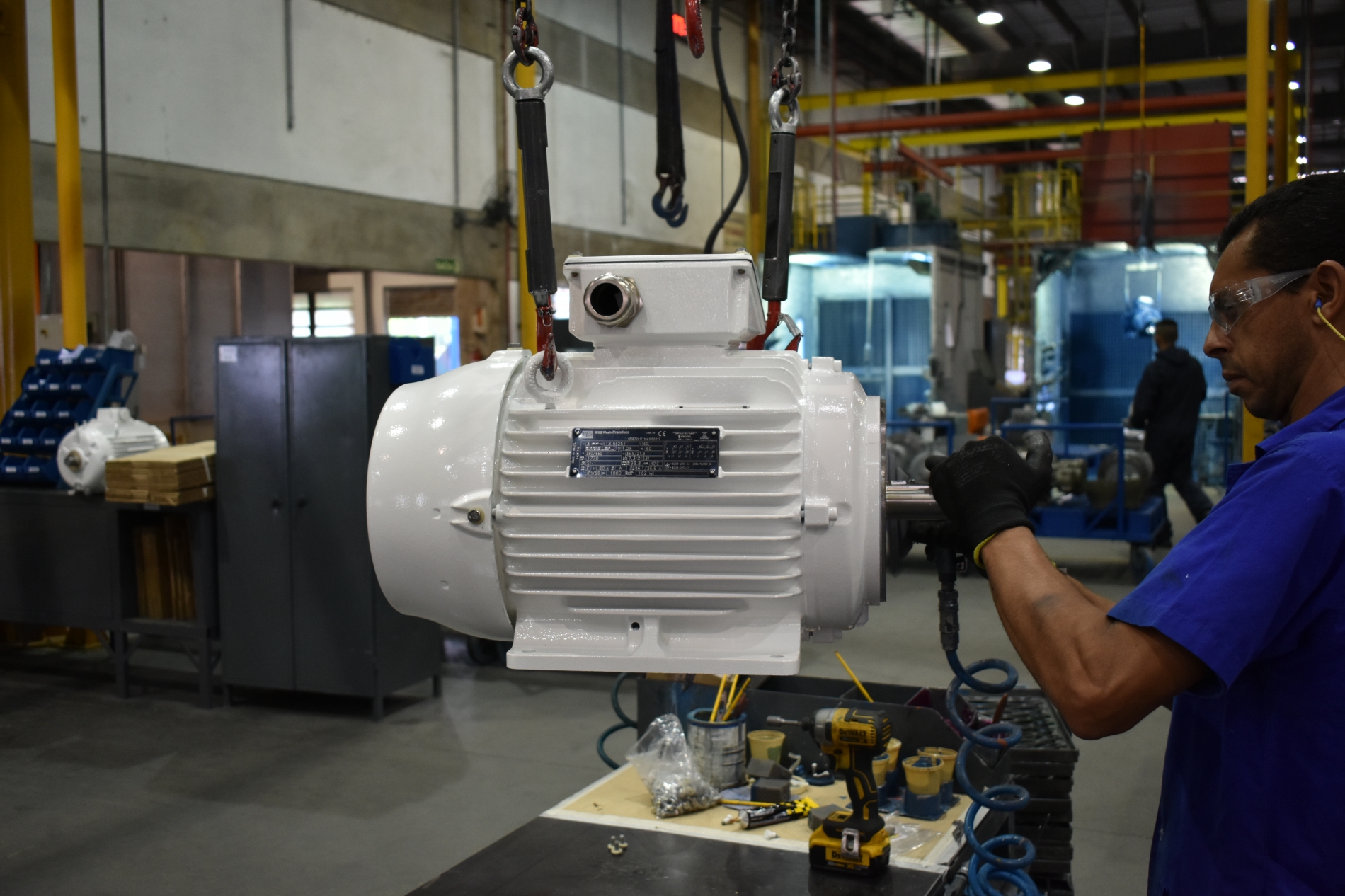
When developing motor-based systems, OEMs must strike a careful balance between:
VJ Pamensky supports OEMs with reliable electric motors and motor control products that align with these priorities, helping customers build systems that perform consistently under pressure.
OEMs can dramatically extend the life of electric motors in industrial environments by focusing on robust design, intelligent motor protection and strategic maintenance. This results in improved system reliability, reduced downtime and long-term cost savings, all essential elements to remain competitive in today’s industrial automation landscape.
Contact VJ Pamensky today to source high-performance electric motors, soft starters and protection devices that meet your OEM specifications. Our team can help you design for durability, efficiency and uptime.