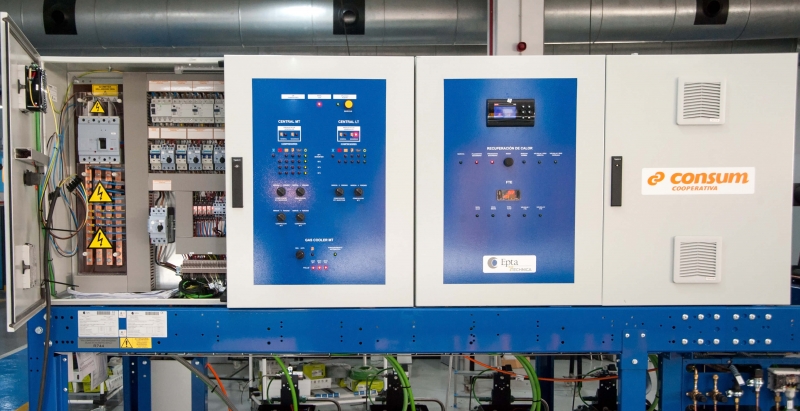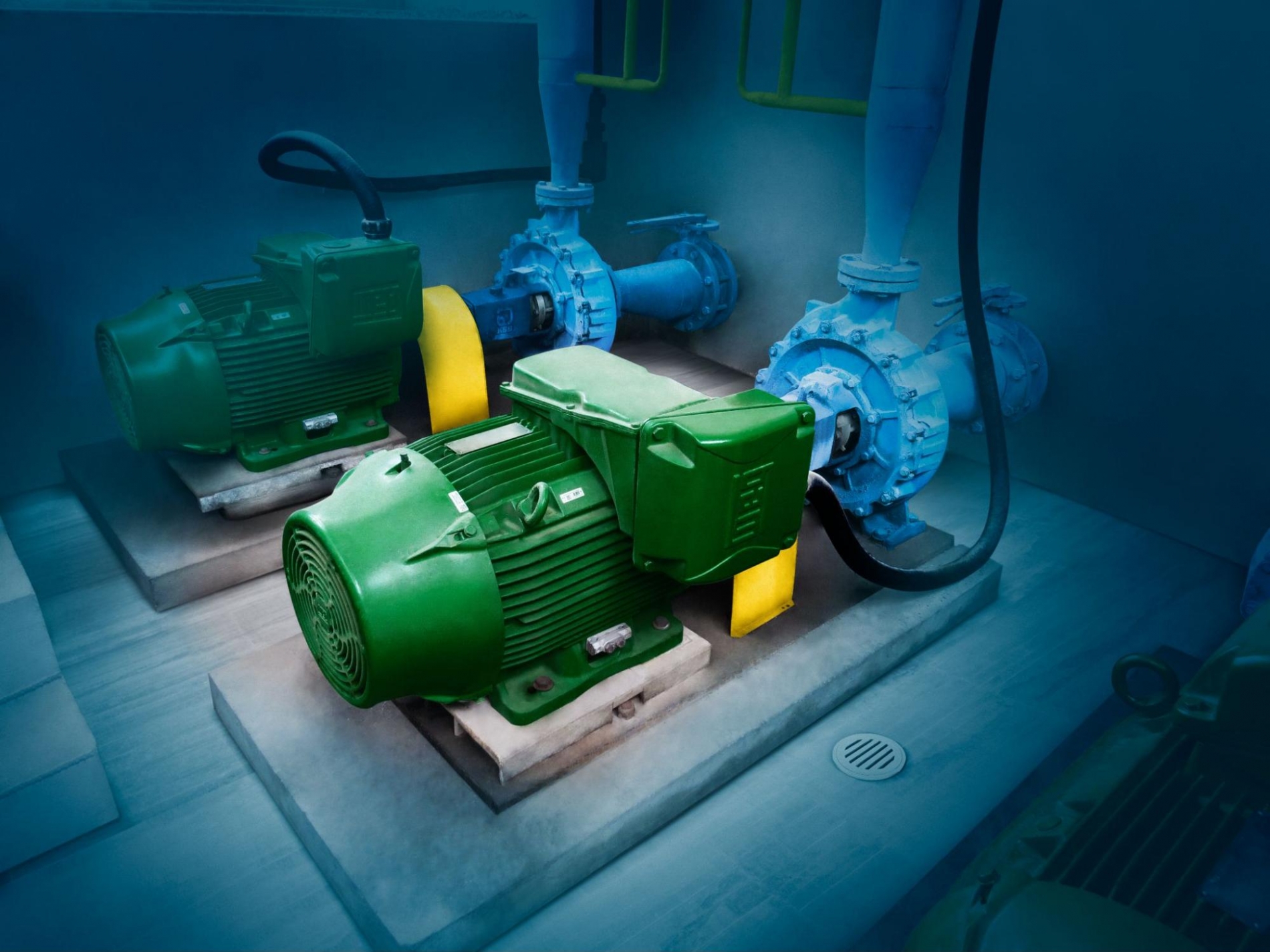
Calgary’s industrial footprint is diverse, energy and utilities, construction materials, water and wastewater, plus manufacturing and processing facilities, all of which put different stresses on rotating equipment. If you’re specifying electric motors that Calgary projects depend on, it pays to treat “motor selection” as a reliability decision, not just a horsepower decision. VJ Pamensky (WEG Canada) supports Canadian industries with electric motors and automation equipment, making it easier to align motor design, protection and controls to real site conditions.
Before you compare catalogs, define the operating profile:
A short "site conditions" worksheet upfront prevents under-spec’ing enclosures, insulation or bearings, the usual culprits behind early failures.
For most industrial loads, AC induction motors remain the workhorse because they’re robust and widely supported across power ranges.
If your motor will live outdoors or near process contaminants, don’t treat “severe duty” as marketing, treat it as an engineering control that reduces unplanned downtime.
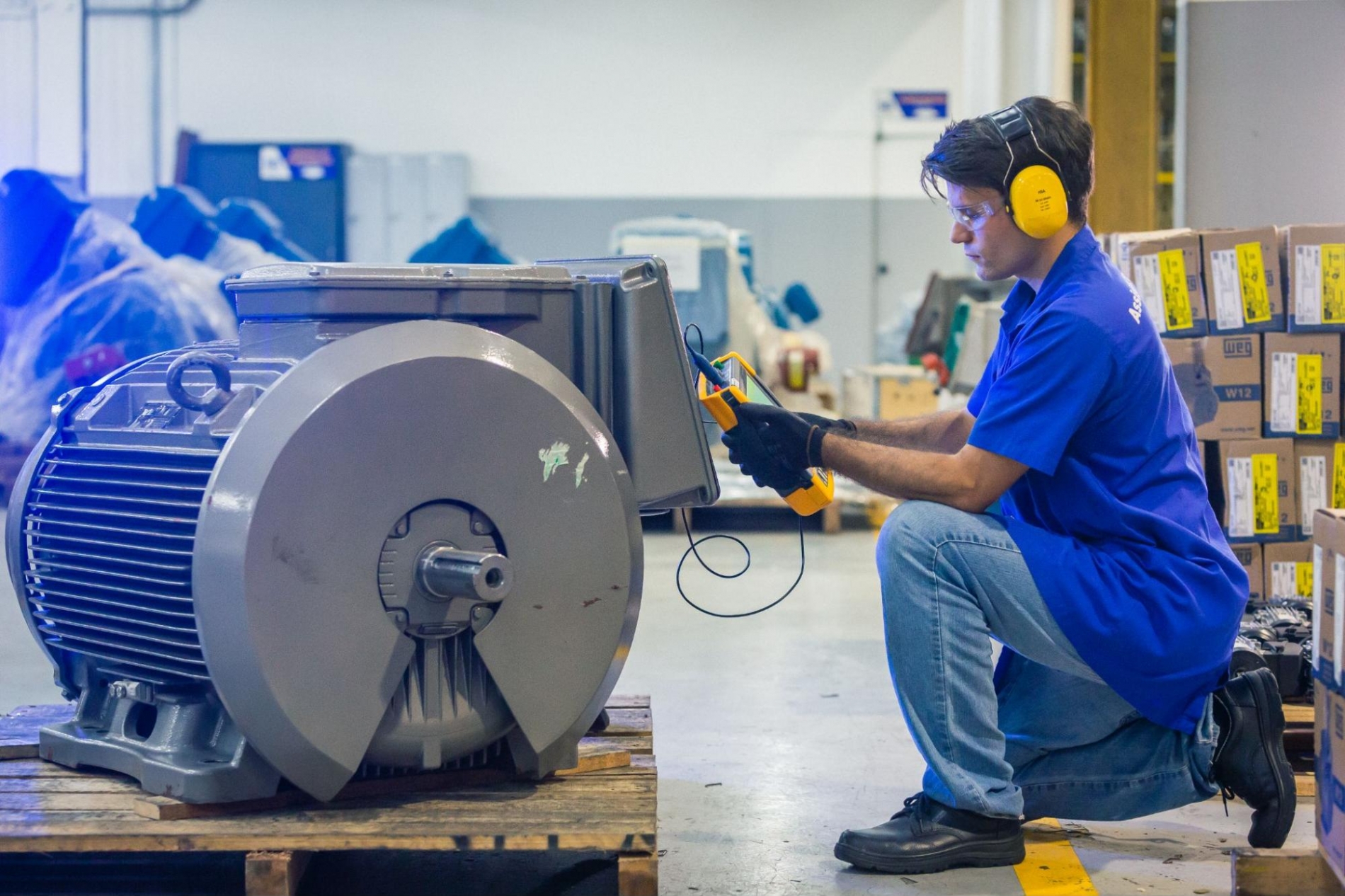
Energy is usually the biggest lifetime cost. Efficient motors reduce kWh consumption and operating cost and they support sustainability targets without changing the process.
In Canada, NRCan’s electric motor efficiency framework and resources are a helpful reference when comparing nominal efficiencies and planning upgrades.
For scenario-based comparisons (buy vs. repair vs. retrofit), NRCan also references tools like CanMOST to estimate electricity cost and GHG impacts across options.
A VFD can improve process control and reduce mechanical stress, especially on variable-torque loads like fans and pumps, by avoiding “full-speed all the time” operation. VJ Pamensky provides access to drive resources and documentation through its downloads.
Soft starters reduce inrush current and mechanical shock, useful for conveyors, compressors or any load where gentle acceleration protects couplings, belts and gearboxes. VJ Pamensky’s download resources include references to soft starter options and accessories.
If downtime is expensive, build in monitoring from day one:
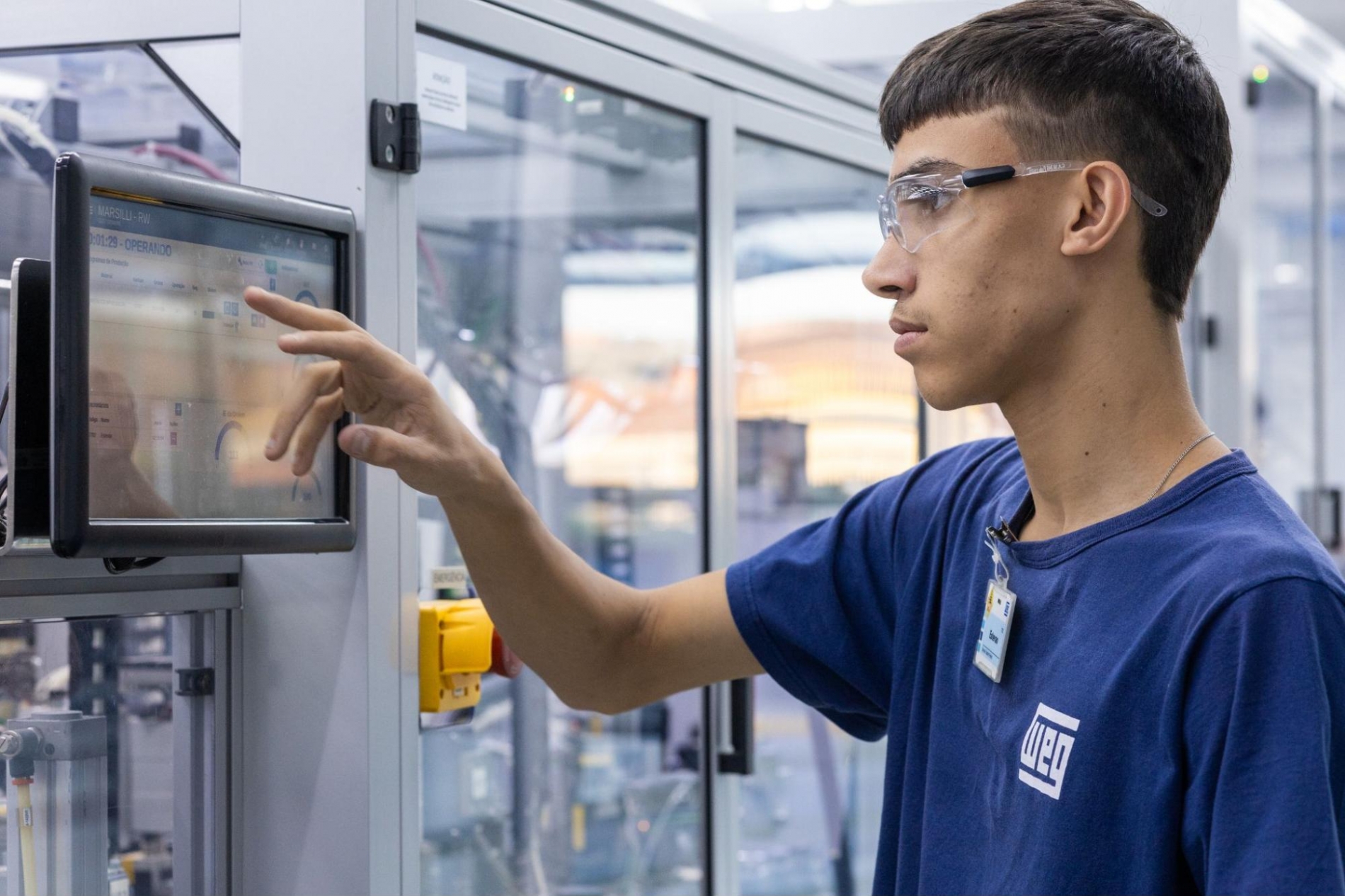
For project managers and reliability engineers, “best motor” also means:
Selecting electric motors for Calgary facilities comes down to aligning the motor’s design with real operating conditions, environment, starting demands, duty cycle and the strategy you’ll use to protect the asset over time. When you choose the right combination of enclosure/IP protection, insulation capability and control technology (like VFDs or soft starters), you reduce failure risk, improve uptime and lower total cost of ownership, while supporting energy-efficiency and sustainability goals. VJ Pamensky can help you build a practical, repeatable specification that fits your application and keeps spares and maintenance straightforward across the plant.
Contact VJ Pamensky today to review your application details (duty, environment, starting method and efficiency targets) and shortlist the right motor, controls and monitoring approach for long-term reliability.
Start with operating reality: duty cycle, starts/hour, environment (dust, moisture, washdown, chemicals) and whether the motor will face cold-weather starts or outdoor exposure. Those factors drive enclosure, IP rating and insulation choices.
If the site has heavy dust, frequent washdowns, corrosives, high vibration or frequent starts/stops, severe-duty designs are often the better reliability choice. Standard induction motors are excellent for general industrial loads when properly protected for the environment.
IP ratings indicate resistance to dust and water ingress. In dirty or wet environments, higher ingress protection reduces contamination-related failures (like bearing damage or insulation breakdown). Enclosure selection should follow the environment and cleaning practices.
Yes, VFDs can reduce energy use on variable-torque loads (fans/pumps) by matching speed to demand and they can reduce mechanical stress from across-the-line starts. They also improve process control, which can reduce wear on connected equipment.
Soft starters are often ideal when you need gentler starting (reduced inrush and torque shock) but don’t need ongoing speed control, common for conveyors, compressors and many constant-speed applications.
For high-value or high-downtime equipment, consider temperature sensing (where applicable), vibration/bearing condition monitoring and trending data from drives/controls. Basic monitoring helps move from reactive maintenance to condition-based decisions.