Calgary’s industrial environment demands electric motor solutions that perform reliably under variable loads, changing temperatures, and diverse operating conditions. For engineers specifying electric motors across manufacturing, processing and infrastructure-related systems, selection decisions must balance durability, efficiency and long-term compatibility with industrial automation requirements.
In Canada, motor efficiency requirements continue to shape specification standards across industrial facilities. Selecting the right electric motors Calgary’s industries rely on is not only determined by mechanical requirements, but also by system-level engineering considerations.
Industrial applications in Calgary often require motors that can support continuous operation, dependable torque performance and integration with broader plant systems. The region serves a mix of manufacturing, processing, energy and infrastructure operations, where uptime and equipment consistency remain central to production performance.
Motor selection in these environments should begin with the actual application profile. Duty cycle, ambient conditions, enclosure requirements, supply characteristics, starting method and driven load all affect long-term reliability. Engineers specifying an electric motor must assess more than horsepower and speed. The full operating context matters.
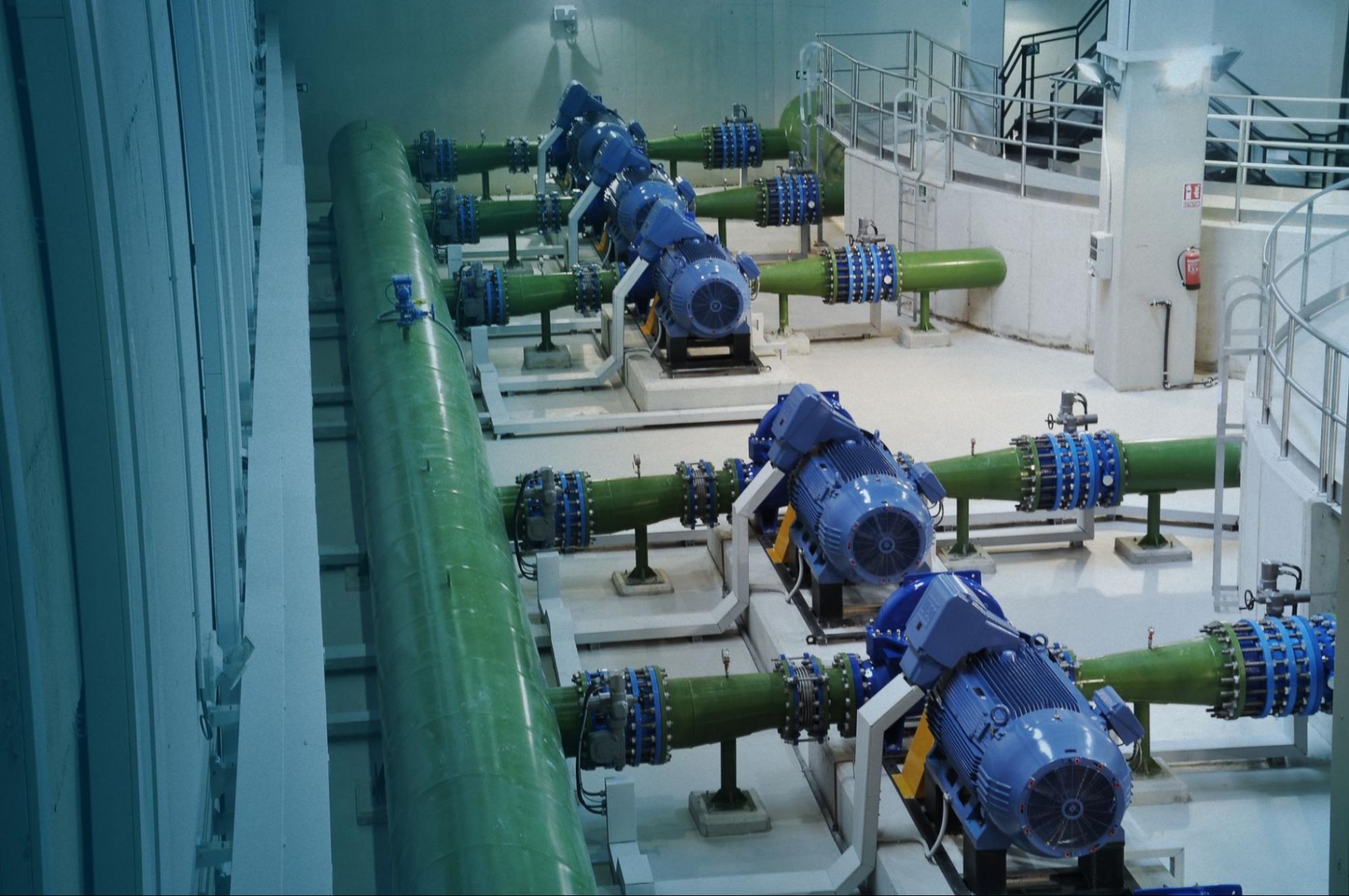
Three-phase AC induction motors remain the standard across many Canadian industrial applications because they offer proven reliability, broad availability and strong compatibility with driven equipment. They are widely used for pumps, fans, compressors, conveyors, mixers and material handling systems where dependable continuous-duty performance is required.
For many facilities, the induction motor remains the preferred configuration because of its robust design,serviceability and compatibility with a wide range of industrial automation systems. These motors are well suited to general-purpose industrial use, especially when paired with the correct enclosure, insulation system and efficiency class. In manufacturing and processing environments, that reliability is often more important than over-specifying beyond actual application requirements.
Severe-duty and inverter-duty motors may be more appropriate when the application includes harsh contaminants, frequent speed adjustment or repeated starts and stops. Where a variable frequency drive is part of the system architecture, inverter-duty construction helps protect insulation integrity and supports more stable long-term operation. For engineers working in industrial automation, that distinction is critical during specification.
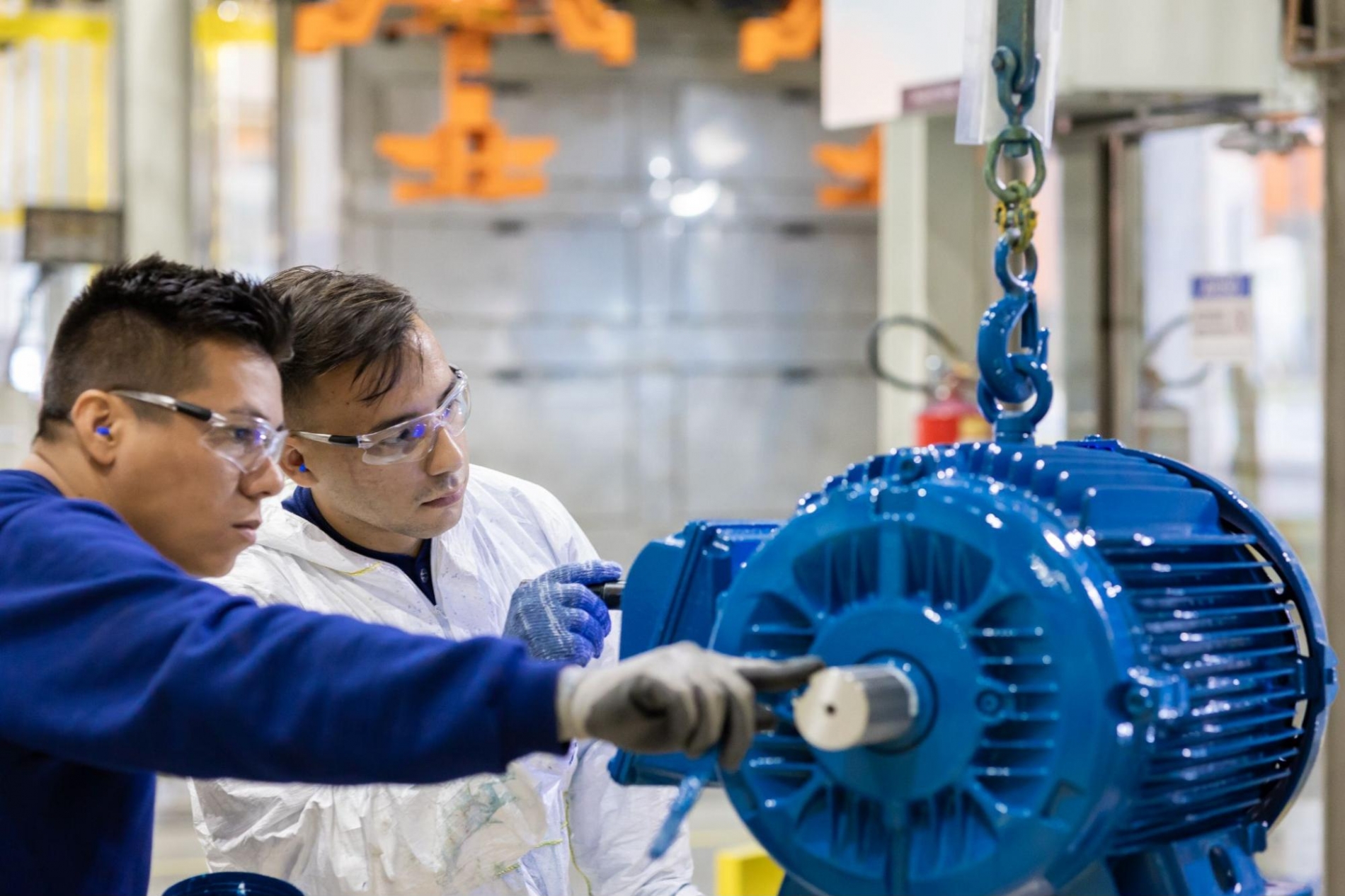
Motor performance is heavily influenced by the operating environment. In Calgary and across Alberta, engineers may need to account for low ambient temperatures, airborne particulates, indoor-outdoor installation conditions and process environments that expose equipment to demanding duty cycles.
Dust is an important specification factor. Industrial and urban environments can experience particulate exposure from multiple sources, including industrial activity, road dust and processing operations. In practical terms, that makes enclosure selection, sealing and cooling methods important when specifying motors for plant conditions where contamination can shorten bearing life or interfere with heat dissipation. Regional environmental context can also be reviewed through Calgary air quality monitoring.
Temperature also matters. Cold ambient starts can affect lubrication behaviour, material expansion characteristics and startup performance. At the same time, motors operating indoors near process heat or under continuous load may still face elevated thermal stress. Engineers should confirm ambient rating, insulation class and service factor against the actual operating profile rather than relying on nominal assumptions.
Efficiency class selection should be based on operating hours, load profile, energy cost exposure and replacement strategy. A higher-efficiency motor may carry a higher purchase cost, but the energy consumed over the life of the motor usually outweighs the original equipment cost by a significant margin in industrial service.
Natural Resources Canada notes that electric motor efficiency varies by motor design and operating conditions, making proper sizing essential to overall system performance. Correctly selected high-efficiency three-phase induction motors can support stronger lifecycle value, especially in applications with long run times and stable loading.
For Calgary engineers, this means efficiency class should not be treated as a procurement checkbox. It should be evaluated alongside actual duty requirements, starting conditions and system controls. High-performance, energy-efficient motor solutions deliver the strongest value when the specification aligns with real operating data.
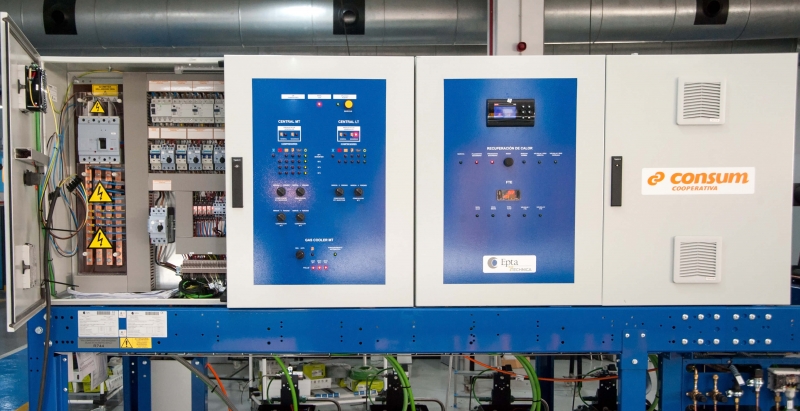
Modern facilities increasingly require motors that work as part of a broader industrial automation and control architecture. In these environments, motor selection must support not only mechanical performance, but also compatibility with drives, sensors, PLCs and automated production logic.
Variable frequency drives become especially important in these applications. If the application requires speed control, soft starting, torque regulation or process responsiveness, the motor should be selected with drive compatibility in mind from the start. In industrial automation environments, electrical insulation capability, thermal performance under non-sinusoidal supply, shaft grounding strategy and cable run considerations should be part of the specification process.
Facilities that align motor and drive selection early are better positioned to improve control, efficiency and long-term reliability. That approach also supports future automation upgrades without creating avoidable compatibility issues later in the equipment lifecycle.
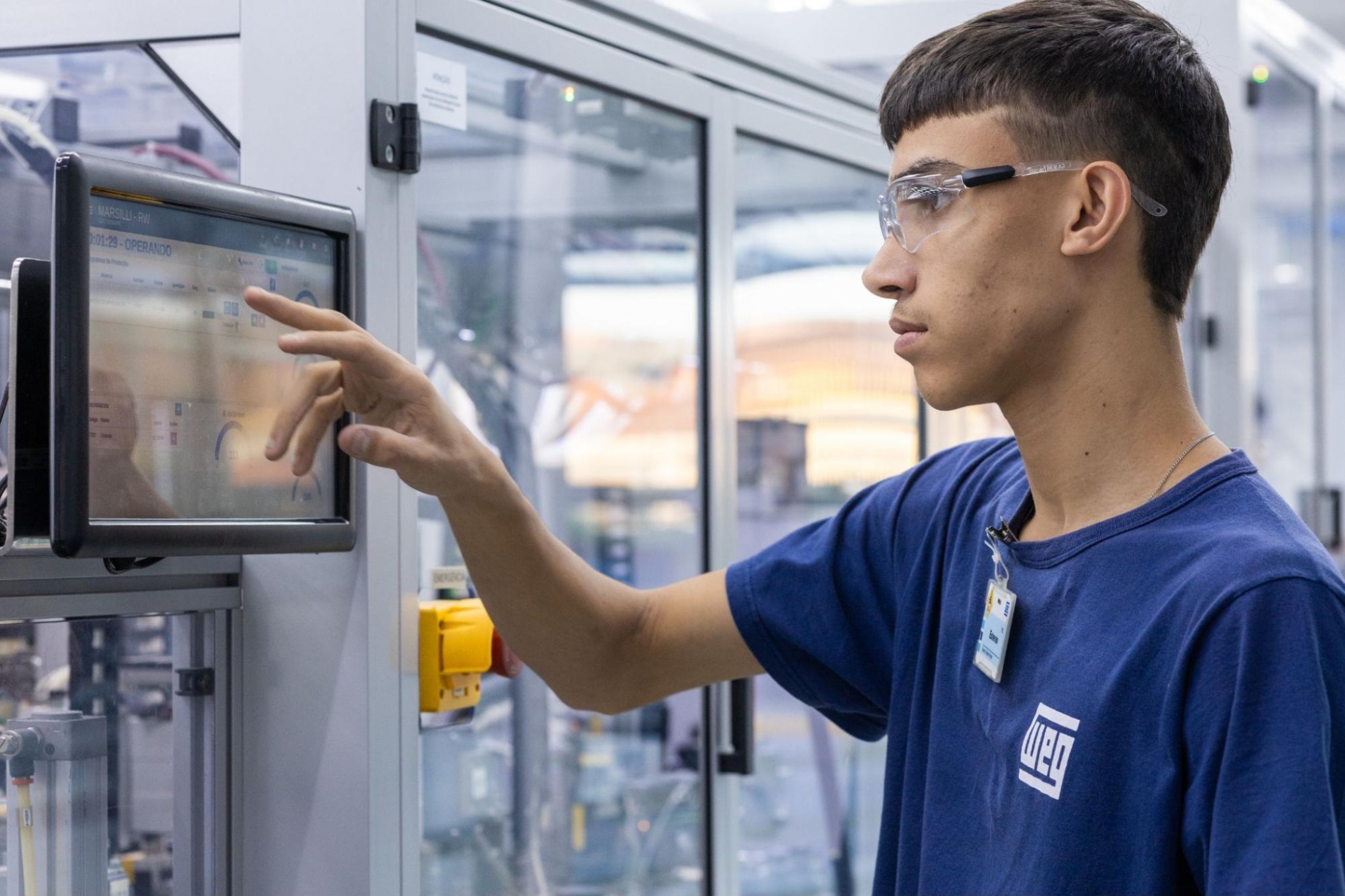
Long-term value depends on more than initial performance–it depends on how easily the motor can be maintained, replaced, and supported over time. Serviceability, replacement timelines, frame compatibility, documentation and parts availability all affect total equipment reliability over time.
Engineers should consider whether the selected motor can be maintained efficiently within the facility’s operating model. That includes bearing accessibility, repair practicality, technical data availability, mounting standardization and alignment with future expansion plans. When facilities modernize controls or transition toward more advanced automation, motors that already support those upgrade paths reduce disruption and replacement risk.
This is especially important in Calgary and regional markets where response time matters. Access to technical support, product line continuity and dependable inventory all contribute to better lifecycle outcomes. For Calgary operations, specifying motors with strong long-term support behind them strengthens both uptime planning and capital planning.
Selecting the right electric motor for Calgary’s industrial environments requires a disciplined engineering approach. Environmental conditions, duty profile, efficiency class and system compatibility all influence long-term performance. The strongest specifications are built around operating reality, not generic assumptions.
For facilities focused on reliability, efficiency and control, motor selection should support both immediate production needs and future system demands. High-performance electric motors, matched correctly to the application, help industrial operations maintain uptime, improve energy efficiency and strengthen overall equipment resilience.
Planning a new system or updating motor specifications? Connect with VJ Pamensky today to evaluate application requirements, drive compatibility, efficiency targets, and long-term support considerations for industrial operations in Calgary and across Canada.
Engineers prioritize duty cycle, ambient conditions, enclosure type, efficiency level and system compatibility when selecting an electric motor in Calgary. In Calgary, temperature variation, dust exposure and long operating cycles can all affect the final specification.
Motor efficiency affects long-term electricity consumption, operating cost and compliance with Canadian efficiency requirements. In many industrial applications, lifecycle energy cost has a greater financial impact than the initial purchase price.
An induction motor is often the right choice for pumps, fans, conveyors, compressors and other continuous-duty industrial applications because it provides reliable performance and broad application flexibility.
A variable frequency drive (VFD) should be considered when the application requires speed control, reduced inrush current, process tuning or improved energy performance under variable load conditions. It is especially valuable in systems that do not need constant full-speed operation.
Environmental conditions affect cooling, insulation life, contamination risk and bearing performance. Dust, low temperatures, washdown exposure and heavy-duty cycles can all influence enclosure, material and thermal design requirements.
Serviceability affects maintenance downtime, replacement planning and long-term operating continuity. Motors supported by strong technical data, dependable availability and standardized configurations are generally easier to integrate into a long-term maintenance strategy.