Reviewed by: Michael Ishlove, Technical Manager
Last reviewed: May 2026
Unplanned downtime often starts long before a failure occurs. In many industrial environments, the root cause is not only wear, maintenance gaps or application changes. It is often the result of a motor that did not fully match the operating conditions from the start.
For engineers, maintenance teams and operations leaders, proper specification plays a direct role in uptime, reliability and long-term service performance. Motor sizing, load profile, environmental exposure, starting method and duty cycle all affect how a motor performs under real plant conditions. At VJ Pamensky (WEG Canada), we know that when these factors are reviewed carefully, electric motor selection becomes a reliability decision, not just a procurement step.
In Canada, this matters across manufacturing, processing, utilities and other demanding industrial applications where production continuity is critical. Manufacturing operations continue to face pressure to reduce costly downtime and improve maintenance performance.
Electric motor selection has a direct impact on downtime because the motor must operate within the mechanical, thermal and electrical demands of the application. When the selected unit does not align with the actual load, speed, ambient conditions or start-stop requirements, the result is higher stress, reduced service life and greater failure risk.
A proper selection improves:
For engineering teams, the goal is not simply to choose a motor that runs. The goal is to choose a motor that runs reliably, consistently and within specification across the full duty cycle of the application.
Before finalizing motor selection, confirm:
Motor sizing is one of the most important factors in reducing avoidable failures. A motor that is too small may run above its intended thermal limits, while a motor that is too large may operate inefficiently, create unnecessary inrush concerns and fail to deliver the expected control or performance characteristics.
Improper sizing affects more than nameplate compliance. It changes operating temperature, current draw and mechanical stress. Over time, these conditions accelerate insulation breakdown, shorten bearing life and increase the likelihood of nuisance trips or premature replacement.
Engineers reviewing how to choose electric motor configurations should assess:
A motor should be selected for the application profile, not only for a nominal rating point. Real operating data matters. If the load is cyclical, starts are frequent or process resistance fluctuates, the selected motor must reflect those conditions.
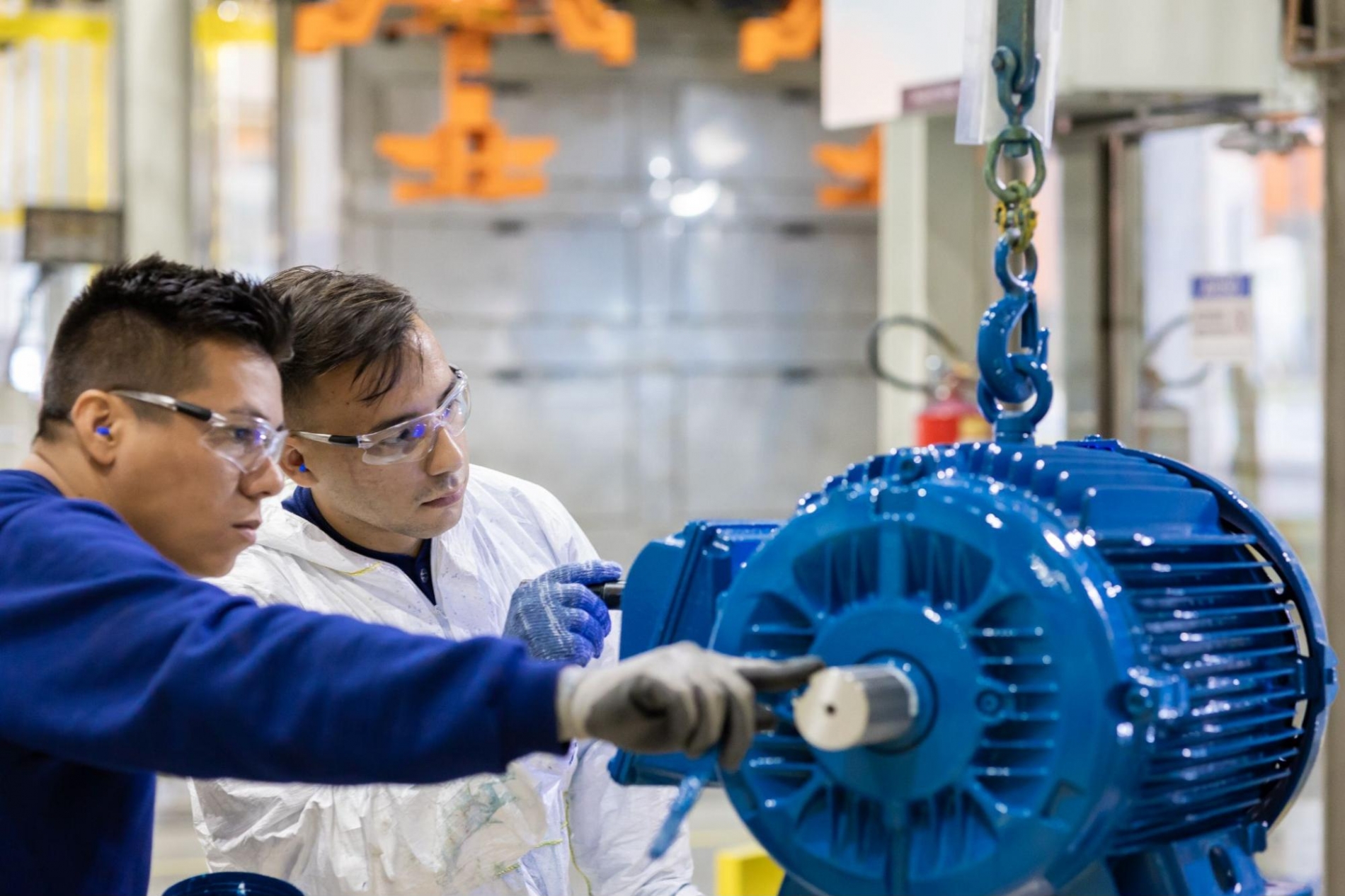
Load matching affects uptime because electric motors perform best when their output characteristics align closely with the driven equipment. Pumps, fans, conveyors, compressors, mixers and material handling systems each impose different torque and speed demands. Treating them as interchangeable applications increases reliability risk.
A mismatch between motor and load often leads to:
This is especially important in applications where the load is not constant. Variable torque and constant torque applications require different review criteria. In these cases, industrial motor selection should consider whether a standard motor configuration is sufficient or whether a more application-specific solution is required.
Where frequency inverters are part of the system, load matching must also include drive compatibility. The interaction between motor, drive and driven load has a measurable effect on temperature rise, speed control and operating stability. Better matching supports both uptime and more predictable maintenance intervals.
Many motor failures can be traced back to specification decisions made too early or with incomplete application data. These mistakes may not create immediate issues during commissioning, but they often surface later as repeat maintenance events, overheating or unplanned shutdowns.
In practice, motor-related downtime rarely appears as a single failure event. It often shows up as a pattern:
These are often symptoms of a motor that was not fully matched to the application from the start.
The most common selection mistakes include:
Undersized motors operate too close to their limits. This increases heat, reduces insulation life and creates a greater risk of overload trips during demand spikes or difficult starts.
Oversizing is often assumed to add protection. In practice, it can reduce operating efficiency and create a poor performance match for the load, especially where speed control or partial-load operation is important.
Duty cycle determines how long and how often the motor must run, start, stop or reverse. A motor selected without considering intermittent, continuous or severe duty conditions may not deliver reliable service life.
Dust, washdown, moisture, corrosive exposure, altitude and temperature extremes all affect motor performance. In Canada, environmental review is especially important where operations face cold weather, seasonal variation or harsh plant conditions.
Across-the-line starting, soft starters and variable frequency drives impose different demands. If the control method is not considered during electric motor selection, operating issues can appear early in service.
Replacing a failed unit with a similar rating is not always enough. If the original motor was not correctly matched to the application, repeating the same specification can repeat the same failure pattern.
In many cases, repeated downtime issues lead facilities to evaluate whether repairing the existing motor or converting legacy DC motor systems to modern AC motor platforms is the better long-term solution.
Environmental and duty cycle review is essential for reliability. A motor that appears suitable on paper can underperform when plant conditions create higher thermal or mechanical stress than expected.
Key factors to review include:
The Canadian Electrical Code places clear importance on motor overload protection and selection settings tied to service factor and full-load current. That reinforces a broader engineering point: protection, control and selection must work together. Reliability does not come from the motor alone. It comes from the full system design.
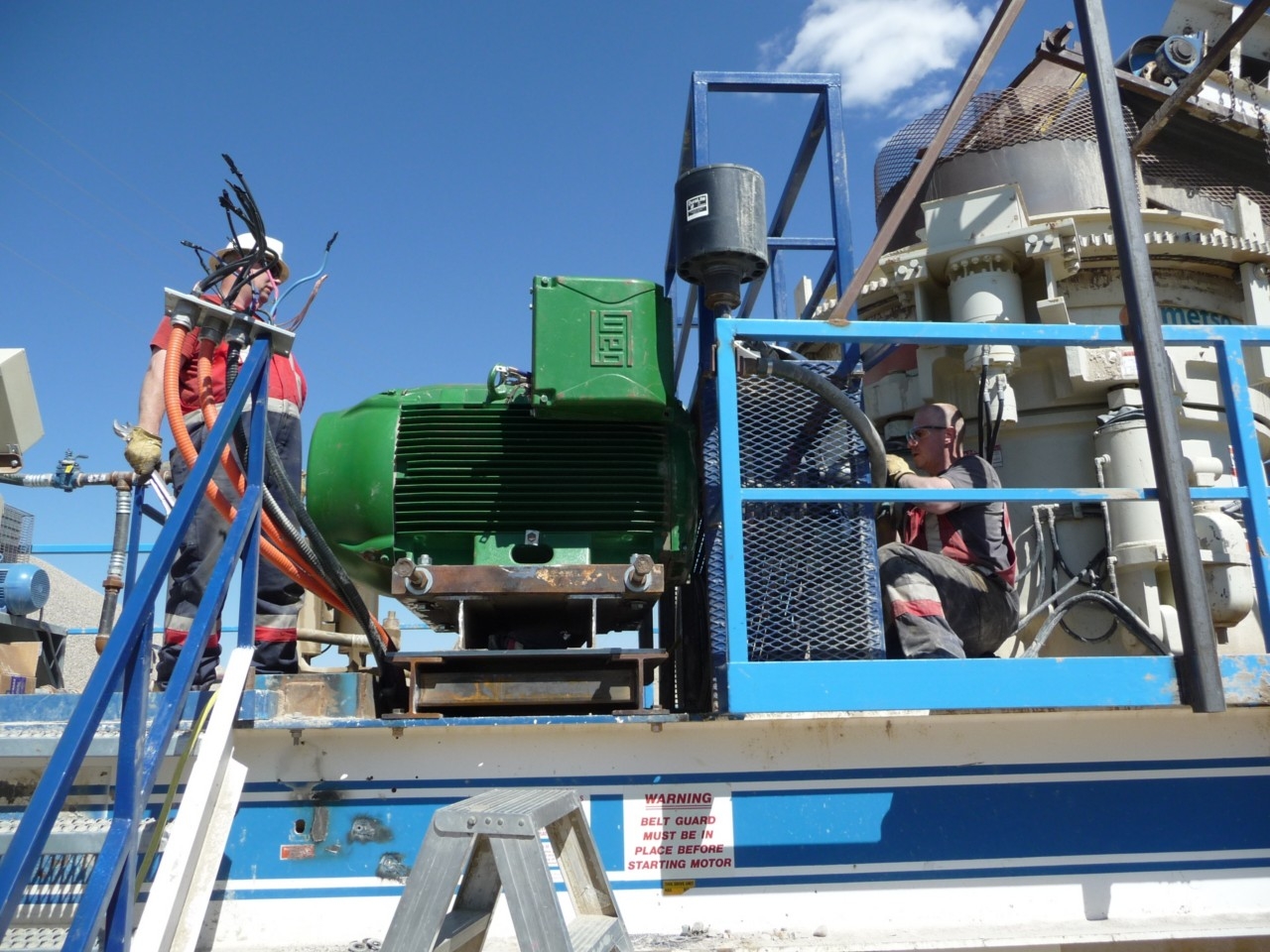
Better motor selection supports reliability because it reduces the conditions that lead to premature wear. It also supports maintenance teams by improving predictability. A properly matched motor is easier to monitor and protect and is less likely to produce recurring issues that consume maintenance hours without addressing the root cause.
This supports maintenance programs in several ways:
Before finalizing their selection, engineers should review the full operating context rather than relying only on basic electrical or mechanical ratings. Reliable performance depends on how the motor will actually be used in the field. A structured motor selection process helps ensure these factors are evaluated correctly before specification and helps prevent repeat downtime issues.
A strong review process should include:
This selection approach helps engineers move beyond a basic replacement mindset, which turns into a technical decision that supports uptime, energy-efficient performance and long-term system reliability.
Downtime reduction starts with better specification. When electric motor selection is based on actual application demands, engineers can reduce thermal stress, avoid load mismatch, improve control performance and support more reliable maintenance planning.
For Canadian industrial operations, this is a practical reliability measure. Proper motor sizing, duty cycle review, environmental assessment and system-level matching all contribute to stronger uptime and fewer preventable failures. High-performance electric motors and related technical data solutions play an important role in helping operations teams maintain control, improve efficiency and protect production continuity.
Need help identifying what’s causing downtime in your motor systems?
Our team can review your application and determine whether motor selection, sizing, or system design is contributing to reliability issues.
Reviewed by: Michael Ishlove, Technical Manager
Last reviewed: May 2026
Electric motor selection is the process of choosing a motor based on the application’s required power, torque, speed, duty cycle, environmental conditions and control method. The objective is to ensure reliable, efficient and compliant operation.
Motor sizing affects downtime because an undersized or oversized motor may operate outside the ideal performance range. This can increase heat, stress, inefficiency and the likelihood of trips or premature failure.
Engineers should review load profile, starting torque, duty cycle, ambient conditions, enclosure type, efficiency levels, service factor and compatibility with frequency inverters or other control systems.
Environmental conditions matter because dust, moisture, temperature variation, corrosive exposure and altitude all influence cooling, protection requirements and long-term reliability.
Yes. Better motor selection improves maintenance performance by reducing repeat failures, supporting predictable operating conditions and making condition monitoring and service planning more effective.
Common mistakes include undersizing, oversizing without application review, ignoring duty cycle, overlooking environmental conditions and replacing failed motors with equivalent ratings without reviewing root cause.