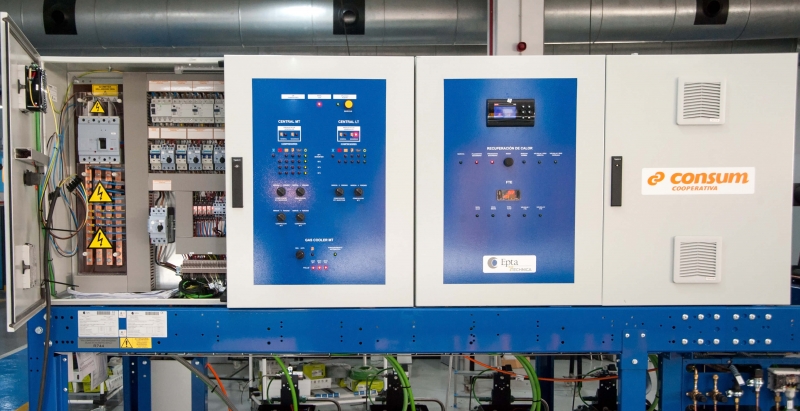
In the dynamic world of industrial power systems, understanding how energy is generated, transformed and delivered is key to delivering effective solutions. For distributors and resellers working with clients across manufacturing and energy sectors, as well as those supporting industrial automation applications, understanding the distinct roles of an alternator and a transformer is essential. This blog from VJ Pamensky (WEG Canada) breaks down these components and highlights how they work together to provide stable, efficient power.
Although both alternators and transformers are involved in electrical systems, they serve distinct roles and perform very different functions:
In short, alternators generate power and transformers manage that power.
Alternators are the backbone of most industrial power generation systems. Whether driven by diesel engines, turbines or other mechanical sources, an alternator works through electromagnetic induction. As the rotor (rotating magnet) spins inside a stator (stationary coil), it induces an alternating current (AC).
This AC power is essential for industrial operations, powering everything from electric motors to control systems in mining, oil and gas and food processing applications.
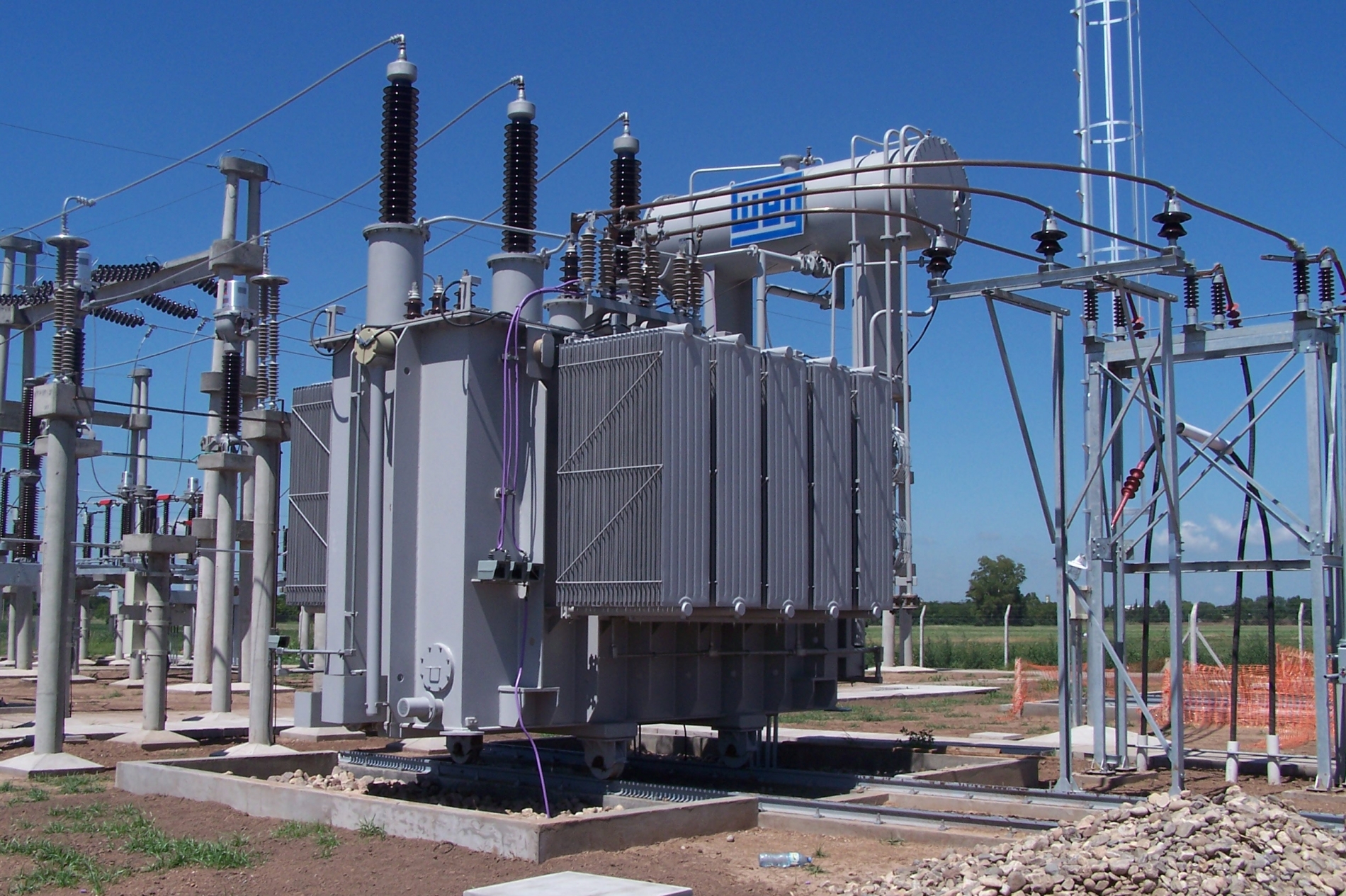
Once electricity is generated, it must be transmitted efficiently. That’s where power transformers come in. They adjust voltage levels to:
Transformers are critical in maintaining energy efficiency and minimizing system downtime. In automation-heavy environments, stable voltage is vital to protect sensitive components and maintain productivity.
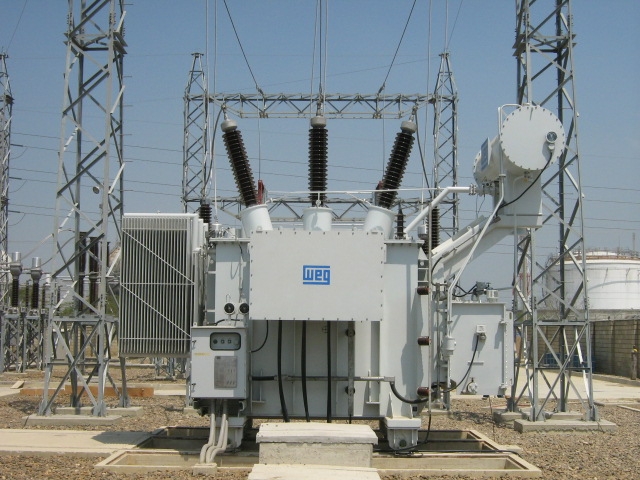
Alternators and transformers are commonly paired in industrial automation applications across various sectors where voltage regulation is vital for system stability. Some of these sectors are:
Distributors servicing these sectors must understand how to specify the right alternator-transformer combination to ensure compatibility, safety and efficiency.
Improper pairing or poor-quality equipment can lead to:
This is why proper selection, load assessment and ongoing maintenance are critical. Distributors play a key role in guiding clients through this process, helping them choose products tailored to their operational and environmental conditions.
Distributors and resellers are more than just suppliers, they're problem solvers. By understanding how alternators and transformers work together, they can:
By working with experienced providers like VJ Pamensky, distributors gain access to a broad portfolio of electric motors, controls, generators, alternators and transformers, all tailored to meet the demands of industrial power systems.
For distributors and resellers serving industrial markets, understanding how alternators and transformers operate and how they complement each other is essential. It empowers them to provide smarter, safer and more efficient power solutions. With deep product knowledge and the right partnerships, you can better support your clients’ success in today’s complex energy landscape.
Contact VJ Pamensky today to get expert guidance and reliable products tailored to industrial demands.